
Ace Ultra Premium × Packman — Buyer’s Guide with COA & ISTA Notes
This guide distills what B2B buyers should verify when sourcing ace ultra premium x packman empty hardware: COA essentials, ISTA 3A packaging notes, battery/charging safety pointers, and a practical incoming-QC checklist you can copy.
Who this guide is for
Distributors, licensed fillers, and white-label partners evaluating the Ace × Packman form factor for reliable fulfillment, fewer returns, and smooth compliance checks across US/EU lanes.
Why Ace × Packman for B2B programs
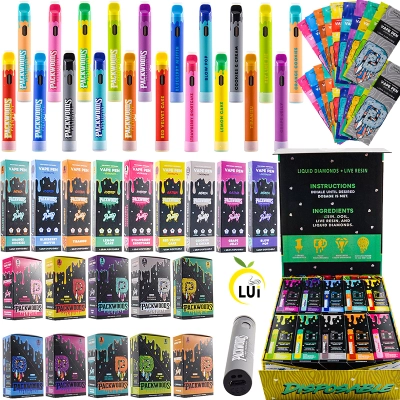
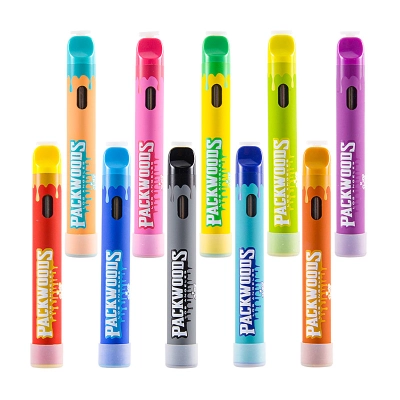
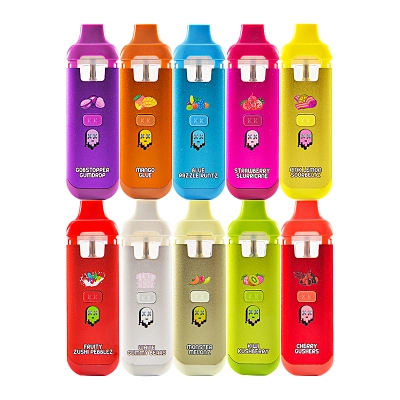
The platform blends sturdy housings, consistent atomization, and clear UI feedback (where applicable) to reduce line stoppages during filling and post-fill rejects. For teams scaling 1–5k unit pilots to 50k+ runs, standardizing on compatible parts and packaging cuts risk and shortens lead times. If you need a compact bill of materials and a proven enclosure, compare Ace packman disposable options next to LED-screen or windowed variants to match your fill style and labeling plan.
When you’re optimizing per-unit TCO, also weigh capacity: some programs favor 1 g for strain variety; others commit to 2 g for fewer returns and longer shelf coverage. Use the category pages for quick spec references: Ace packman 2 gram disposable and the shorthand listing Ace packman 2g.
COA essentials: what to verify
For empty devices/housings, a COA (Certificate of Analysis) package typically addresses materials (metals, plastics, seals), cleanliness residues, and—if batteries are integrated—relevant safety documentation. To keep audits simple, request:
- Lab name, accreditation, report ID, and date—clearly tied to the specific production lot/PO.
- Heavy-metals screening on wetted pathways and mouthpiece surfaces (limits aligned to your region’s policy; buyers commonly reference RoHS thresholds for restricted substances in electronics).
- Residue/cleanliness statements for manufacturing oils/solvents on critical components.
- Battery documentation (see below) and a UN 38.3 test summary when cells are present in finished goods during transport.
Tip: store COAs in a shared repository with a consistent naming convention (brand_model-lot-yyyymmdd.pdf) so your receiving team and brand partners can retrieve them quickly during inspections.
ISTA 3A packaging notes (parcel)
When shipping retail units and master cartons by parcel networks, ask for an ISTA 3A report (or execute the test before large deployments). Minimum inclusions that speed approvals:
- Test lab name/location, report ID/date, and the exact packaging system tested (outer carton, inner tray, blister/foam, tape spec, palletization if applicable).
- Clear pass/fail criteria for leaks, cracked housings, loose mouthpieces, or UI damage (for screen models), plus post-test inspection counts (% units flagged).
- Photographs of packaging and post-test condition, and a statement of the procedure version used (3A) and sample count.
Pair 3A with your device’s vulnerability points (mouthpiece seams, charge-port alignment, and display windows). For exports, verify outer-carton markings and any lithium-battery handling marks required by the carrier service you use.
Battery & charging safety quick notes
If your chosen Ace × Packman variant integrates a rechargeable cell, align on documentation early:
- UL 8139 evaluation of electrical/heating/charging systems (or equivalent testing performed to the same scope).
- UN 38.3 test summary for each lithium cell/battery design shipped.
- RoHS declaration for restricted substances in the electronics assembly; maintain current versions for EU shipments.
Copy-paste procurement checklist
- Confirm exact SKU and enclosure: start from ace ultra premium x packman, then lock in 1 g vs 2 g (Ace packman 2 gram disposable / Ace packman 2g).
- Decide labeling method and QR/lot coding; request dielines for panels and tamper seals.
- Request COA package (materials, residues, and battery docs where applicable).
- Request ISTA 3A report (retail unit + master case) with photos and acceptance criteria.
- Confirm charging spec (USB-C), over-charge protections, and pre-heat timing windows.
- Align on MOQ, AQL sampling, and replacement/credit SLA for transit damage.
- If you need private molds or custom UI, review the internal ACE Ultra x Packman OEM/ODM guide before locking BOM.
- Finalize pallet plan (stack limits) and add ship-pack labels to your vendor pack spec.
Quick FAQ
Is 1 g or 2 g better for my program?
1 g supports more SKUs/strains per order; 2 g lowers repack frequency and helps reduce returns for heavy users. Many teams pilot both, then standardize on Ace packman disposable in 2 g for core strains and keep a 1 g rotation for limited releases.
Do I need ISTA 3A if I’m shipping pallets only?
3A specifically simulates parcel environments. If your distribution is palletized LTL only, consult your test lab for alternatives; still, having 3A data helps where mixed parcel moves occur in the last mile.
What should be on the COA for empty devices?
Lab credentials; lot match; metals/chemicals screening of wetted parts; residue statements; and battery/charging safety documentation if a cell is integrated.



0 Comments