
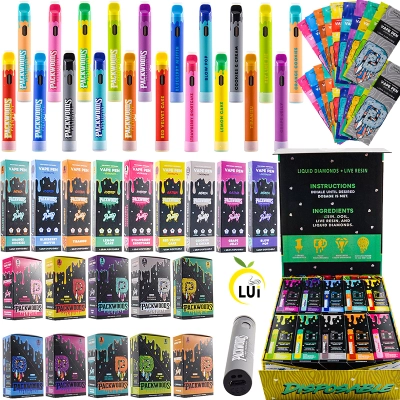
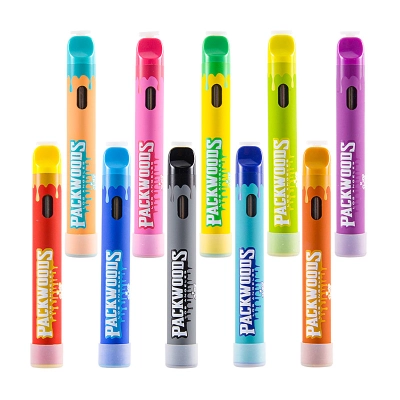
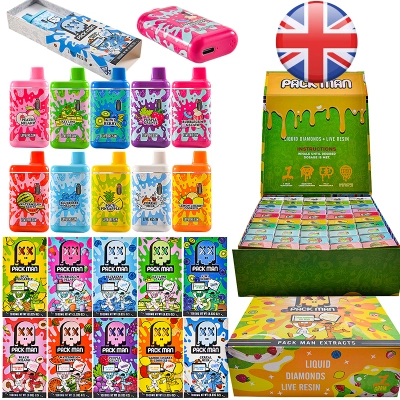
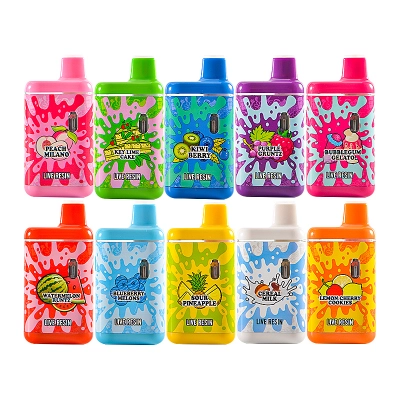
ACE Ultra x Packman — OEM/ODM Guide for Licensed Fillers
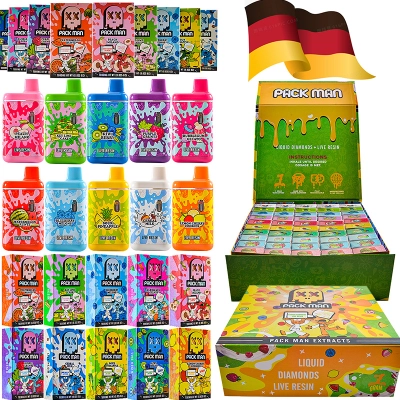
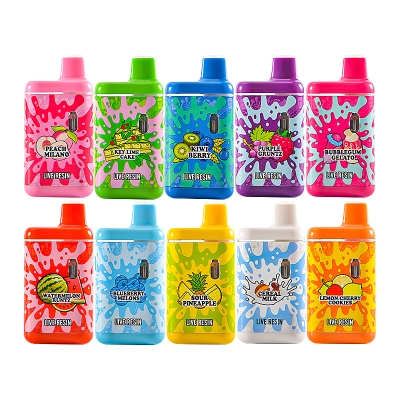
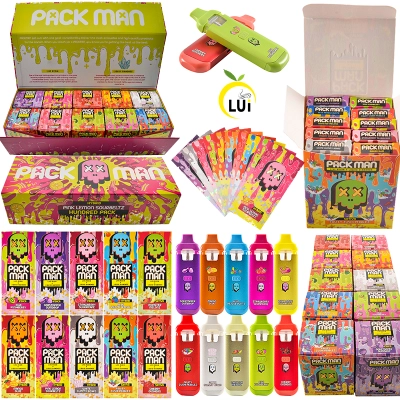
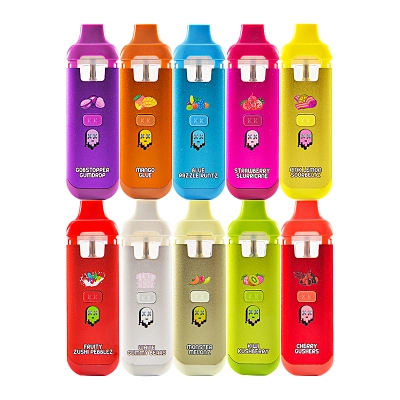
Who this is for: Licensed fillers, distributors, and private-label operators seeking an OEM (build to your spec) or ODM (modify an existing design) program for the ace ultra x packman platform. This guide focuses on hardware documentation, seed-to-sale alignment, quality control, and after-sales terms. It is not legal advice or consumer health guidance.
1) OEM vs. ODM: decide by risk, speed, and certification
OEM gives you maximal control (dimensions, chipset options, heating core, coatings, packaging), but requires more time for EVT/DVT/PVT, certification updates, and validation runs. ODM trades some customization for faster market entry using a proven base design. In both cases, insist on a documented quality-management system (QMS) such as ISO 9001 to stabilize change control, non-conformance handling, and supplier audits.
2) Compliance dossier: what to collect before PO
For any rechargeable or battery-equipped SKUs, require a shipment-ready dossier. At minimum:
- UN 38.3 Test Summary (TS): Manufacturer-signed TS for every cell/pack variant used in the device, aligned to current guidance for transport acceptance.
- UL 8139 evidence: Electrical safety (battery, charging, controls) for e-cig/vape devices; ideally a current certificate or test report addressing your chosen configuration.
- IEC 62133-2: Where applicable for portable Li-ion cells/packs, request reports for safe operation under intended and reasonably foreseeable misuse.
- RoHS/REACH: Declarations and, when requested, supporting lab data for restricted substances/SVHC disclosure.
- Packaging validation: If shipping direct-to-store or DTC, an ISTA 3A (parcel) protocol is commonly used to reduce in-transit damage claims for retail units and master cases.
3) Traceability & seed-to-sale alignment for licensed markets
In regulated U.S. markets, retail-bound filled goods must reconcile with state track-and-trace systems (e.g., Metrc). Even when your engagement is hardware-only, plan the data you’ll pass to licensed partners (lot, pack IDs, manufacturing date, and where relevant, device or carton serials) so their manifests and POS inventories match. For California, ensure receiving SOPs align with CCTT-Metrc implementation guidance, including UID handling and documentation.
4) Tooling, tolerances, and oil-hardware fit
When you customize mouthpiece geometry, gasket durometer, or chimney diameter, run a compatibility matrix across your viscosity window and coil options (ceramic pore size, resistance). Define nominal dimensions and critical tolerances for leak paths (press-fit joints, seal lands, fill-port interfaces). Lock final drawings at release with revision control; require any supplier-initiated changes to go through your ECO process with sample signoff.
Recommended documents in your PO packet
- Final drawings + BOM (with controlled revision IDs).
- Battery and charger specifications, UN 38.3 TS, and (where used) UL 8139/IEC 62133-2 evidence.
- Material declarations: RoHS/REACH and coatings list.
- ISTA 3A (or equivalent) packaging test plan or recent report if shipping via parcel networks.
5) QC framework: AQL and incoming inspection
Use an acceptance sampling plan (ISO 2859-1) at incoming inspection and at pre-shipment (PSI). Split defects by severity: critical (safety/traceability), major (function/fit/finish), minor (cosmetics). Set tighter acceptance for critical characteristics that influence safety (battery tab welds, charger port retention, seal integrity) and traceability (label readability, lot/map correctness). Document your sampling plan and the specific checkpoints on a layered process audit sheet so it’s repeatable by your warehouse team.
6) Warranty & after-sales (B2B)
Publish a supplier-facing RMA playbook that covers DOA windows, evidence requirements (photos/video + lot IDs), and turnaround SLAs. For systemic issues, allow case-level replacement; for small defect rates, issue unit credits. Tie RMA eligibility to proper verification at receiving (see the traceability section) and exclude damage from improper storage (heat, moisture) or non-compliant resale.
7) Project timeline (typical, ODM baseline)
- Week 0–2: Requirements, cosmetic targets, compliance gap-scan of existing reports.
- Week 3–6: EVT samples, oil-fit tests, basic safety checks, draft artwork.
- Week 7–10: DVT samples, labeling/serialization tests, ISTA packaging run as needed.
- Week 11–14: PVT + Golden Sample signoff; set AQL/PSI gates; lock warranty language.
8) Internal resources on LUECIGA you can reference
To align teams across brands and formats, keep a short internal link block on your brand hub pages. Examples:
- ace ultra x packman (platform overview and options)
- ACE Ultra (materials & lifecycle guidance)
- SLUGGERS (specs & wholesale FAQs)
9) FAQ
Do we need new compliance reports for every cosmetic tweak? Cosmetic changes that don’t affect the electrical system or battery chemistry rarely require new electrical safety testing; however, packaging or label changes may still need a new transport review and updated declarations. Always confirm with your lab.
How do we handle seed-to-sale IDs on hardware-only shipments? Share lot/pack IDs and carton serialization so downstream licensed partners can map hardware intake to their own Metrc packages at the time of filling.
What minimum documents should we archive per shipment? PO, invoice, manifests, UN 38.3 TS, RoHS/REACH statements, and any UL 8139 / IEC 62133-2 evidence used for that configuration, plus intake photos of labels and cartons.
Compliance note: Markets differ. Follow the laws and track-and-trace rules in your jurisdiction and consult accredited labs for the most recent testing protocols.
0 Comments