
wholesale pacman — Pricing, MOQ, and OEM/ODM Checklist (2025 B2B Guide)
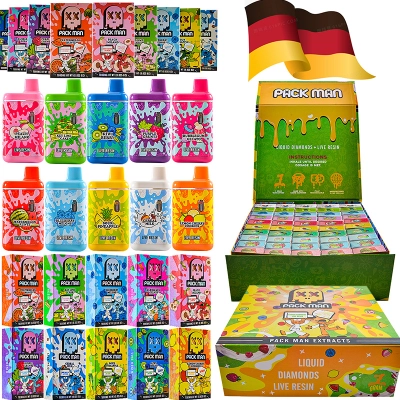
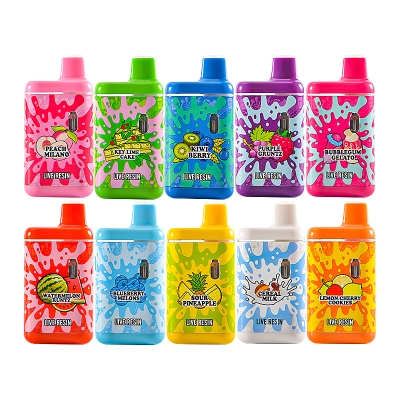
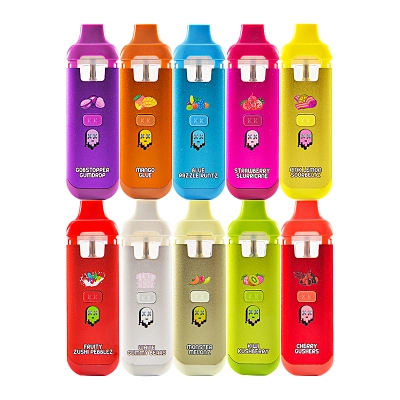
This practical guide explains how to evaluate wholesale pacman empty hardware for U.S. B2B buyers in 2025. You’ll learn how pricing is typically structured, how MOQ tiers are set, what to request from suppliers for OEM/ODM, and how to keep your procurement language compliance-friendly. We do not make flavor, health, or efficacy claims—this page covers hardware and packaging only.
1) Pricing Models That B2B Buyers Actually Use
Empty hardware pricing is usually quoted per unit with breaks at defined quantity bands. Typical ranges are framed as ex works (EXW) or FOB for international suppliers; domestic stockists may quote delivered pricing at defined carton or pallet thresholds. Ask for a single-page price ladder that includes:
- Unit price per tier (e.g., 200 / 1,000 / 5,000 / 20,000+ units).
- What is included (standard shell, mouthpiece, screen window, Type-C port, accessories like sleeves or caps).
- What counts as customization (laser mark vs. full body print; colorway; window shape; PCB firmware iconography if applicable).
- Lead-time assumptions (stock color vs. custom color; sample vs. mass production).
Tip: Keep “transparent pricing & MOQ tiers” language in marketing, and avoid any phrasing that implies coordinated resale prices. Your goal is clarity, not price-setting.
2) MOQ Tiers and How to Right-Size Your First Order
MOQs should align with your pilot velocity and labeling capacity. For new SKUs, consider a mid-tier MOQ so you can test packaging flow, defect screening, and retail compliance checks before scaling. When negotiating tiers, ask:
- Tooling vs. no-tooling MOQ: If you keep the base mold and only change colors/print, MOQ is typically lower than for new tooling.
- Inner-pack & master-case math: Spell out units per inner pack and inner packs per master case to reduce receiving disputes.
- Carton weight target: Many teams prefer cartons ≤ ~50 lb for ergonomic handling and shelf-backroom flow.
| Scenario | Recommended MOQ | Rationale |
|---|---|---|
| Pilot with stock colorway | 500–1,000 units | Validate fill/label flow and device handling before committing |
| Light custom (logo/laser mark) | 1,000–3,000 units | Balances setup cost with realistic test coverage |
| Full ODM (custom body/window) | 5,000–20,000+ units | Offsets tooling and color-matching runs; enables better tier pricing |
3) OEM/ODM Checklist: What to Send, What to Expect
Streamline your OEM/ODM requests with a crisp package of materials. Here’s what to prepare and request:
What to Send
- Brand guide (logo files, clear-space rules, Pantone/RGB/CMYK, preferred finishes).
- Mechanical notes (desired screen window, port position, mouthpiece geometry, airflow feel).
- Print zones (max print size, QR placement for post-fill COA/tracking).
- Carton label mock with “EMPTY HARDWARE” language and 21+ statement.
What to Expect
- DFM review (design for manufacturability) with material callouts and tolerance notes.
- Color chips & texture swatches prior to pilot run.
- Pilot samples for drop/fit tests and shelf scuff checks.
- Mass production timeline by week, with checkpoint photos or videos.
Disambiguation: “pacman” here references a vape hardware line nickname, not the PAC-MAN® video game IP. Avoid using game assets or implying endorsement.
4) Labeling, Cartons, and Pallet Fit
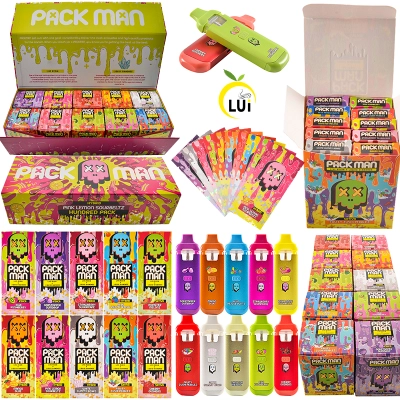
Clear labeling shortens receiving time and reduces shrink. Ask your supplier for a Master Case Label v2025 template that includes model, finish, units/pack, packs/case, total units, gross weight, dimensions, barcodes, and orientation marks. For displays or windows, request protective sleeves or film to prevent abrasion in transit.
- Case math: e.g., 10 units/inner pack × 12 packs/master = 120 units.
- Palletization: Layer count on 40×48 pallets; even stack; corner protection.
- Battery note (if applicable): If rechargeable cells are present, ensure lithium handling marks and documentation.
- Prop 65 space (CA): Reserve an area for store-level warnings (no health claims on the product page).
5) Risk Controls & Compliance-Lite Language
Keep procurement language focused on hardware, packaging, and logistics—avoid medical, flavor, or cessation claims. In B2B brochures and web copy, use neutral phrasing like “empty hardware,” “21+ retail environments,” and “compliance-ready label zones.” For pricing pages, stick to transparent ladders and steer clear of any suggestion of resale price maintenance.
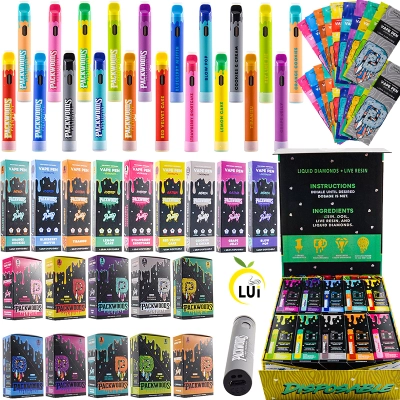
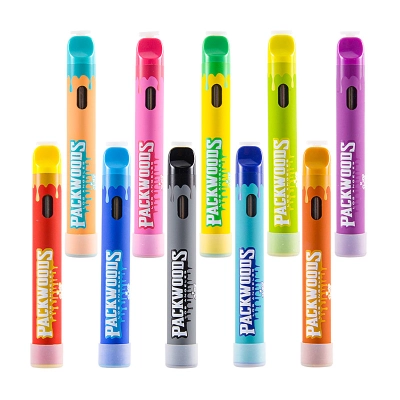
If you cross-shop hardware families and accessories, it’s common to benchmark related lines for finish quality and case-pack clarity—for instance, exploring lines like packwoods and device options under packwoods disposable to align packaging vocabulary and label placement patterns across brands. Using consistent label maps helps associates and third-party warehouses avoid mis-slots.
6) Quick FAQ
How should I compare quotes from multiple suppliers?
Normalize by unit spec parity (same body, finish, screen window, port type), print method, and carton math. Request a single-page “spec + price + MOQ” snapshot to eliminate hidden add-ons.
What MOQ should I choose for a new sub-brand?
Start mid-tier to validate QC and shelf handling. Once velocity stabilizes, move up a tier to reduce per-unit handling time and improve landed cost.
Can I request alternative inner-pack counts?
Yes—run a pilot with your preferred inner-pack count and master-case layout. Validate receiving speed and carton ergonomics before scaling.
Do I need special transit marks?
Only if the shells include rechargeable cells. If not, standard cargo labeling and orientation marks are typically sufficient for empty hardware.
Next Steps
Ready to structure a quote? Ask for a combined PDF pack: price ladder, MOQ tiers, lead-time chart, carton label sample, pallet diagram, and a 3–5 photo set of the master case and inner packs. If you operate multi-state, request a blank label map with reserved zones for age gating and state notices.
Need OEM/ODM support? Share your brand guide and target case-pack math. We’ll return a DFM note, color chips, and a pilot timeline to de-risk launch.
This article covers empty hardware and packaging only (no nicotine/cannabinoids). For 21+ retail environments. Avoid health/efficacy claims and keep pricing discussions to transparent tier ladders without implying resale price maintenance or endorsement by third parties.
0 Comments