
melt packman — Testing, Labels & Packaging Checklist
Scope: Hardware-only guidance for B2B buyers, labs, and operations teams working on melt packman themed projects. We discuss empty devices, transport labels, and packaging documentation—not oils or consumer use. Always follow local laws and supplier documentation.
1) Internal references & platform options
Before placing a bulk order, align the target platform and UI:
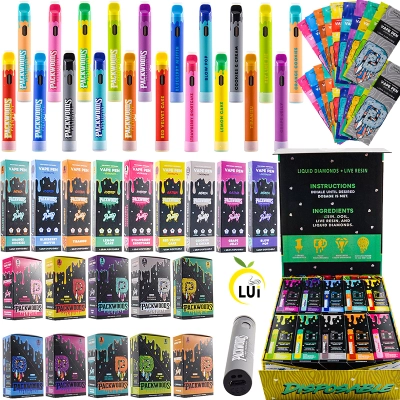
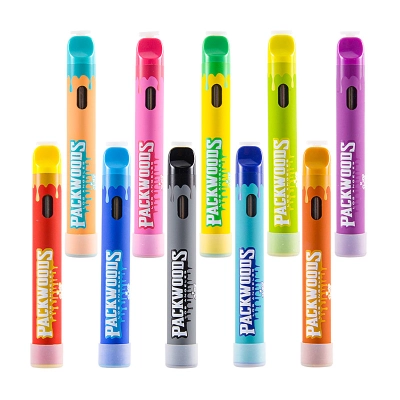
- Brand/theme hub for parts & shells: melt packman
- Two-flavor switching options: dual chamber vape
- Status displays & counters: LED screen vape
- Capacity class overview: 2g disposable vape pen
- Comparable platform for benchmarking UI/selector logic: Choices Lab
2) Functional testing (bench & acceptance)
Selector & UI logic
- Cycle A→B→(Dual, if present) 10×; confirm the on-screen state each time.
- Check lock/unlock: long-press timing, lock icon feedback, and accidental toggle immunity in pocket-jostle tests.
Power, preheat & indicators
- Record preheat duration on screen vs. stopwatch (±10% tolerance). Log temperature drift indirectly via puff consistency and cutoff behavior.
- Verify USB-C handshake on 5V/1A wall bricks and common power banks; confirm charge LED/percent increments.
Safety baselines (design intent)
- Request evidence of evaluation to the spirit of UL 8139 (electrical/heating/battery/charging systems). Keep excerpts or a letter of conformity in the PO folder.
- Require a UN 38.3 Test Summary for the exact cell/pack model referenced on labels.
3) Shipping & regulatory labels
For lithium-powered units, labels must consistently reflect battery classification and route. Minimum expectations for air freight:
- Lithium battery mark & proper shipping name aligned to current IATA guidance (with SoC policy and UN numbers as applicable).
- Orientation arrows on fiberboard outers when required; avoid obstruction by stretch wrap.
- Manufacturer’s UN 38.3 Test Summary access via URL/QR on the pack list or carton label.
For pallet and master-case traceability, apply GS1 logistic labels (SSCC with human-readable text) at consistent positions for scanners on both short and long sides.
4) Packaging tests & carton markings
Use a transit test appropriate for parcel carriers and mixed air/ground moves. ISTA 3A is a common general simulation for individual packaged products. Pair with your device’s vulnerability points (mouthpiece seams, screen, selector slider):
- Drop: edge/corner/face sequences; verify no screen cracking or selector binding.
- Random vibration: include low-pressure option (simulated altitude) for air segments.
- Compression: confirm master-case integrity and tray retention; check scuffing on displays.
Carton markings: Model, lot/serial range, net units, gross weight, country of origin, and battery handling mark when applicable. Add “Do not stack” or top-load limits if palletization height is a risk.
5) Documents to request before shipment
- UN 38.3 Test Summary PDF referencing the exact cell/pack (model, manufacturer, test house, and pass dates).
- IATA Lithium Battery Guidance alignment note from your forwarder (packing instruction, SoC limit, marks/labels).
- UL 8139 evidence (evaluation report excerpt or letter of conformity) for the platform’s electrical and charging design.
- Commercial invoice with correct HS codes and model identifiers matching carton markings.
- GS1 label spec sheet (placement, SSCC range owner) to keep receiving workflows consistent across warehouses.
6) Receiving checklist (fast QA)
- Photograph pallet labels and master-case GS1 labels before teardown; verify SSCC and lot alignment with paperwork.
- Randomly sample ≥3% (min. 20 units). Log A/B switching, preheat timing, battery indicator steps, and screen legibility.
- Inspect mouthpiece seals and selector tracks for burrs; quarantine if failure rate >1%.
- Run a 10-unit mini-ISTA (drop + short vibration) for packaging drift checks on each incoming lot.
Reminder: This checklist is for empty hardware only. Follow jurisdictional rules for labeling and shipment of lithium-powered devices; retain all documents in the PO folder.
7) FAQ
Do LED-screen models reduce RMAs?
Often yes; live feedback for battery %, preheat timers, and A/B state helps support teams diagnose issues without unnecessary returns.
Can we mix dual-chamber and single-chamber units per PO?
Yes, but keep the electrical platform consistent to simplify QA, spare parts, and after-sales workflows.



0 Comments