
Whole Melt Vape Hardware: Ceramic, Intake & Stability for Full-Melt Formulas
“Whole melt” and other full-melt formulas are no longer niche products for hash connoisseurs only. As solventless and high-purity concentrates move into mainstream legal markets, more brands are asking a simple but difficult question: what kind of vape hardware can actually handle these formulas at scale? If the device is wrong, even the best six-star hash or live rosin will clog, burn, or leak before it ever leaves your distributor’s warehouse.
Lueciga does not sell oil or concentrates. Instead, the focus is on empty hardware that can support demanding formulas like Whole Melt Extracts, live rosin pods, or liquid diamond blends. This article is written for B2B buyers, fillers, and brand owners who need to match full-melt or whole-melt style concentrates with purpose-built hardware rather than generic distillate shells.
What “Whole Melt” and Full-Melt Formulas Actually Mean
In the concentrate world, “full melt” usually refers to the highest grades of ice-water hash or bubble hash – material that melts almost completely when heated, leaving little to no residue in the banger. These five- or six-star hashes are valued for their purity and their ability to deliver the cultivar’s terpene profile without the plant material that would normally char and burn.
Whole Melt–branded disposables and cartridges take that same idea of purity and apply it to ready-to-use products. The oil inside may be:
- High-grade ice-water hash rosin (solventless),
- Diamond-infused live resin, or
- Hybrid blends of live resin, liquid diamonds, and terpene-rich fractions.
Regardless of the exact recipe, the common theme is high potency, high terpene content, and often higher viscosity compared to standard distillate-based vape oils. That is why Whole Melt and other full-melt inspired brands have become a stress test for the hardware underneath: if the core, intake design, and overall stability are not tuned for thick oils, the user experience will suffer even before flavor and effects have a chance to shine.
Why Full-Melt & Solventless Oils Stress-Test Your Hardware
Full-melt formulas are not just thicker; they are also more complex. Compared with simple THC distillate, these concentrates often contain a broader range of cannabinoids, terpenes, and other volatile compounds. That has three direct implications for hardware design:
- Higher viscosity: Oils flow more slowly, especially at room temperature, and can crystallize or thicken in cold logistics.
- Heat sensitivity: Terpenes and delicate aromatics degrade quickly if overheated, which means the hardware must avoid hot spots and scorched wicks.
- Particulate risk: Even very clean rosin can contain tiny amounts of plant material or hash residue that can clog poorly designed intake paths.
Traditional metal-core carts with small intake holes were designed for thinner, more uniform distillate. They can work with full-melt inspired oils in very controlled conditions, but in real logistics – multiple warehouses, long transit, temperature swings – they tend to clog, leak, or produce harsh, uneven hits. That is why Whole Melt–compatible hardware overwhelmingly uses modern ceramic cores and larger intake geometries.
Ceramic Cores for Whole Melt Vape Hardware
The industry has shifted toward porous ceramic heating cores for live resin, live rosin, and other high-end concentrates. Instead of a simple metal coil in cotton, these cores use a microporous ceramic body with an embedded heating element. Oil is absorbed into the ceramic and then vaporized evenly across its surface.
For whole-melt style formulas, ceramic cores offer several advantages:
- Even thermal distribution reduces hot spots and scorched pockets of rosin or hash, preserving terpene complexity.
- Lower operating temperatures allow designers to tune power for flavor and smoothness rather than chasing giant clouds.
- More contact area for viscous oil means the concentrate has a better chance to wick into the heating surface instead of sitting in the tank and crystallizing.
- Material safety – many full-ceramic or ceramic-core designs are engineered to pass heavy-metal testing, which is now a baseline requirement in most regulated markets.
When you review hardware spec sheets, look for language like “full ceramic center post,” “microporous ceramic coil,” or “lead-free, heavy-metal tested materials.” These are strong signals that the manufacturer is targeting thick oils and high-end concentrates, not just generic distillate.
Intake Design: Hole Count, Diameter & Position
If ceramic is the heart of a whole-melt compatible device, intake design is the lungs. Without the right oil path into the core, even the best ceramic will starve, overheat, and burn.
For live resin and other thick oils, many hardware engineers now recommend:
- Multiple intake ports (e.g. 4 or more), rather than a single small aperture,
- Individual hole diameters often in the 1.6–2.0 mm range, depending on viscosity and tank size,
- Port placement slightly above the base of the tank to reduce the risk of leaking through the bottom in hot conditions.
For full-melt inspired formulas, the same logic applies – but with an extra twist. Because some whole-melt or hash-based oils can contain microscopic particulates, you want intake geometry that is generous enough to keep wicking, yet not so oversized that it dumps oil directly onto the airflow path. Smart designs balance:
- Enough intake area to feed the ceramic during long pulls,
- Moderate negative pressure to avoid flooding when users chain vape, and
- Smooth transitions from tank to intake to core, reducing sharp edges where resin can build up and harden.
In practice, this means working with vendors who can show real-world performance on thick oils – not just lab drawings. Failure-rate data for clogging, leaking, and DOA devices is often more useful than theoretical intake sizes on a spec sheet.
Stability: From Filling Line to Warehouse Shelf
Even if a device hits perfectly on the first test draw, it still has to survive the full supply chain. For Whole Melt–style projects, stability includes:
- Filling compatibility: top-fill or bottom-fill systems that can handle higher viscosity without trapping air or foaming.
- Seal integrity: gaskets and press-fit tolerances that keep solventless or diamond-infused oils inside the tank during transport.
- Battery and electronics reliability: especially on rechargeable disposables that might sit in inventory for months before use.
- Thermal resilience: devices that do not leak or separate when exposed to hot warehouse conditions, but also do not become impossible to hit in colder climates.
From a B2B perspective, the right Whole Melt hardware is not just about flavor – it is about reducing return rates, avoiding brand-damaging reviews, and minimizing write-offs due to leaks or clogs. That is why many buyers now ask for stability test data and real failure-rate numbers in addition to the usual aesthetic mockups.
How Lueciga’s Whole Melt Families Fit Into This Picture
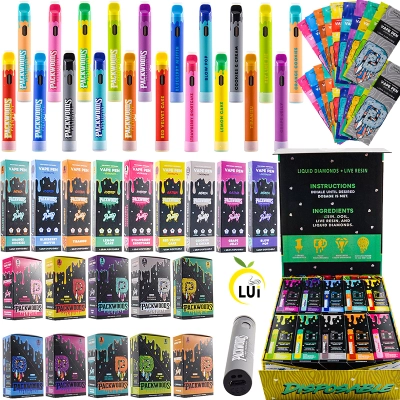
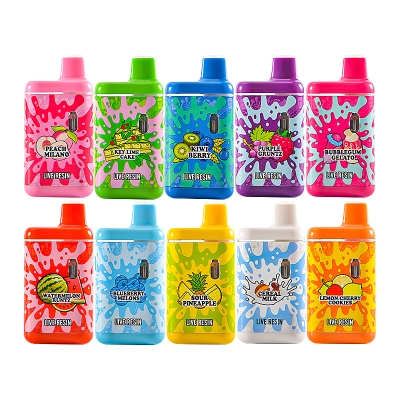
On Lueciga, the wholemelt section gathers hardware options that are engineered around the Whole Melt Extracts brand language: 2 gram capacities, live resin and liquid diamond compatibility, and bold packaging that speaks directly to concentrate-focused consumers. For white-label and OEM buyers, this section is a starting point when you want your hardware architecture to echo what the Whole Melt name already represents in the market.
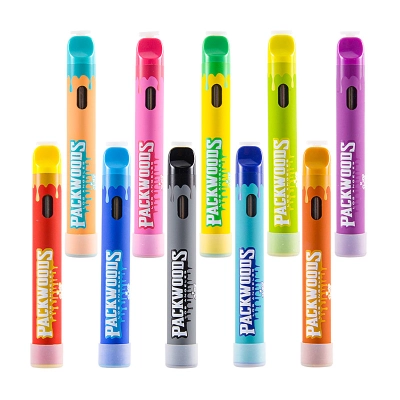
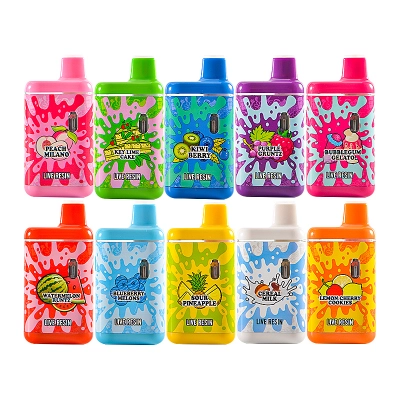
If you already know you need a finished AIO shell, the wholemelt vape catalog focuses on 2 g empty disposables designed for thick, terpene-rich oils. These devices combine ceramic cores, high-capacity batteries, and form factors that can handle premium artwork without sacrificing ergonomics or airflow.
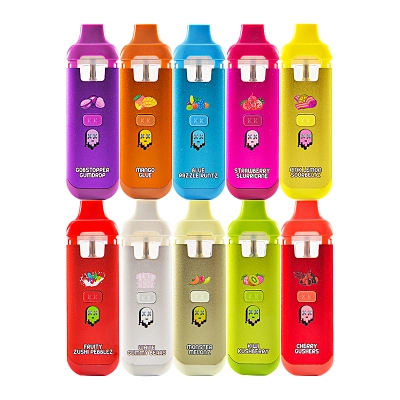
For buyers who prioritize traceability and anti-counterfeit features, SKUs like Whole Melt V4 NFC-verify shells add near-field communication tags to the device or packaging. That allows retailers and consumers in legal markets to verify units in the field, helping to reduce chargebacks and disputes around authenticity without changing the core hardware design.
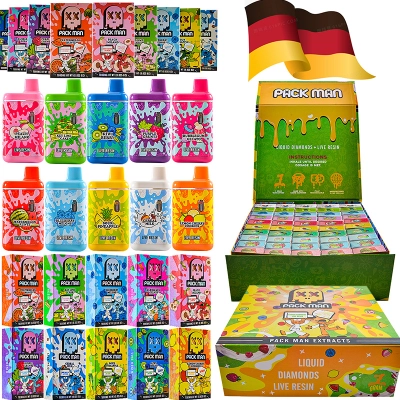
If your collaboration extends beyond vapes into jars or sugar/wax formats, packaging options such as Whole Melt Extracts live resin and liquid diamonds boxes help keep your hardware and concentrate SKUs visually aligned. Unified branding across disposables and jars reinforces the message that your whole-melt line is a coherent family, not a random mix of products.
And if you are benchmarking viscosity or airflow requirements against other concentrates, browsing Lueciga’s liquid diamond disposable vapes category gives you a cross-section of 2 g devices that already perform reliably with thick, diamond-infused oils. Many of the same ceramic and intake principles apply directly to Whole Melt projects.
Building a B2B Brief for Whole-Melt-Compatible Hardware
Once you understand how ceramic, intake design, and stability interact with full-melt formulas, the next step is to translate that into a clear brief for your factory or hardware vendor. A strong Whole Melt–style brief usually covers at least the following elements:
- Oil type and viscosity window: specify whether you are filling solventless rosin, live resin, diamond-infused blends, or other high-potency formulas, and give your expected viscosity range or filling temperature.
- Target capacity: for example, 2 g all-in-one disposables to match existing Whole Melt brand expectations.
- Core and intake requirements: porous ceramic core, multi-port intake design, and recommended port diameters based on similar oils the vendor has already tested.
- Stability and testing: minimum leakage and clogging rates, heavy-metal and compliance standards, and any specific shelf-life expectations.
- Branding and packaging: color palette, Whole Melt–style design language, and how devices will be presented in trays, master cartons, or counter displays.
The more specific you can be about your full-melt or whole-melt formula and its intended markets, the easier it is for a hardware partner to steer you toward devices that have already proven stable under similar conditions. That saves time, reduces risk, and lets your team focus on what matters: sourcing or manufacturing truly exceptional concentrates while the hardware does its job quietly in the background.
For Lueciga buyers, the Whole Melt families exist to make that process faster. By combining modern ceramic technology, thoughtful intake design, and real-world logistics experience, these devices give full-melt formulas a reliable home – so your brand story and your oil quality reach the end user exactly as you intended.
Disclaimer: All products referenced here are empty hardware intended for adult consumers in compliant jurisdictions. Lueciga does not sell THC, cannabis, or any filled cartridges; brands and fillers are responsible for legal compliance and formulation.


0 Comments