
“We The People” Master Case: How to Plan Cartons, Labels & Pallets for Muha-Style Bulk Programs
Nominative use notice: “Muha Meds”, “We The People” and related marks belong to their respective owners. Lueciga supplies compatible, branded-style empty devices, master cases and packaging only, and does not produce or fill controlled cannabis products.
1. Why the “We The People” Master Case Matters for B2B Programs
When resellers talk about “We The People” or Muha-style presentations, they are rarely asking for a single box. They are asking whether you can support program-level volume: coordinated unit cartons, inner boxes, master cases, and pallets that arrive at licensed facilities ready to scan, store, and fill.
A dedicated category such as muha meds lets your operations team standardize one proven visual language across SKUs, while using professional-grade packaging structures designed for heavy rotation in warehouses and 3PL hubs.
Well-engineered master cases reduce carton damage, speed up ASN/receiving checks, and cut labor minutes per pallet. For multi-state operators and large distributors, those saved minutes convert directly into more predictable launches and fewer chargebacks.
2. From Unit Box to Pallet: Structuring Your Pack Levels
The core of a “We The People” style master case program is a clear hierarchy:
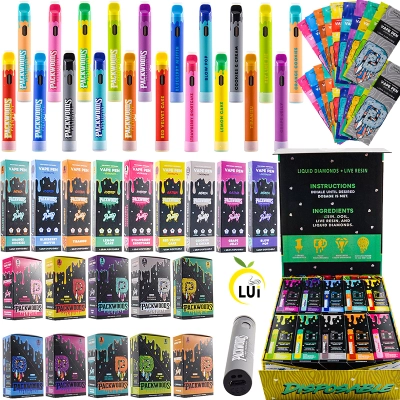
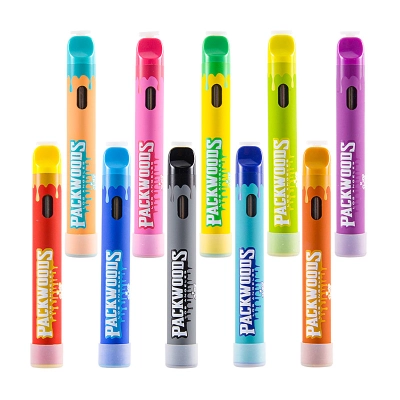
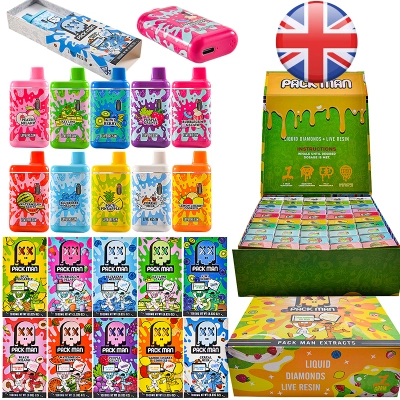
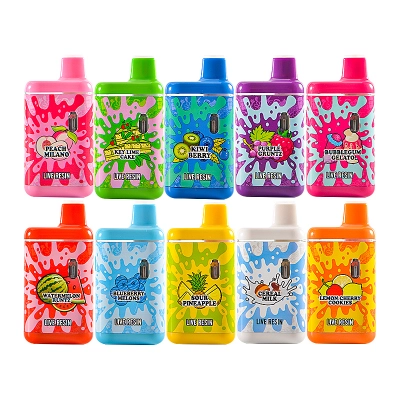
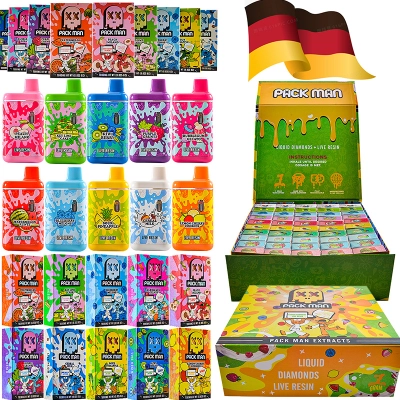
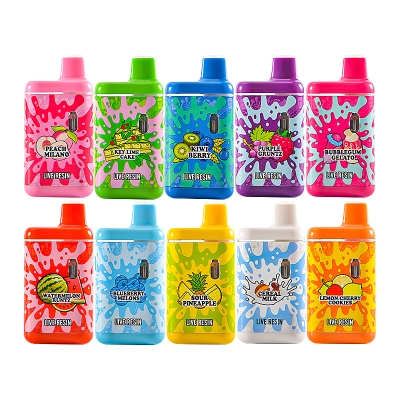
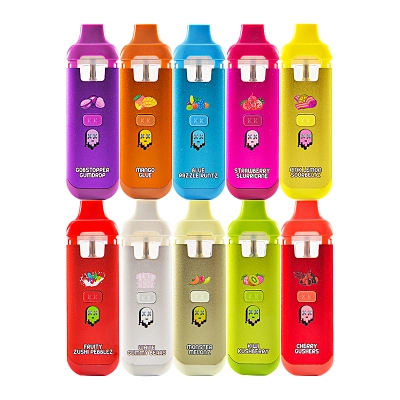
- Primary unit: individual empty muha-style disposable devices or cartridges with branded-style box.
- Inner carton: often 5–10 units, used for efficient picking and display-ready replenishment.
- Master case: bulk shipping unit, e.g. 100–200 units, optimized for stacking and palletization.
- Pallet: standardized footprint (typically 40" x 48" in North America, 1200 x 800/1000 mm in EU) with consistent layer counts.
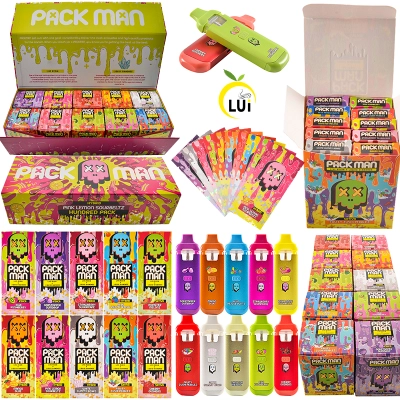
A purpose-built muha master case box is engineered around these ratios. That means:
- Board grade and flute chosen for stacked weight and transit conditions.
- Dimensions tuned to minimize void space and overhang on pallets.
- Orientation that keeps printed faces visible for scanning and compliance checks.
For programs involving batteries, align your master case specs with carrier and IATA guidance and ensure UN38.3-tested cells are documented; this is now a baseline expectation from serious buyers and regulators. You can cross-reference current guidelines through carriers and international standards summaries to validate stacking limits and documentation expectations.
3. Labels & Data: What Needs to Be on a Muha-Style Master Case
Master case design is not just print; it is structured information. A well-planned “We The People” / Muha-style master case should allow any warehouse or fulfillment team to identify contents within seconds, without opening cartons. Best practice, aligned with modern supply chain and barcode standards, includes:
- Program name & style (e.g. “We The People – Muha-style Empty Disposables”).
- Distinct SKU / item code for each flavor, capacity, or device style.
- Pack count (units per inner, inners per master, total units per master).
- Machine-readable codes: GTIN / case code or internal code for WMS scanning (based on GS1-style structuring where applicable).
- “Empty hardware only” statement to avoid confusion with filled THC or nicotine goods.
- Batch / lot code fields so fillers can link finished goods back to packaging batches.
For high-volume SKUs, align your case labels with GS1-style barcode and logistics label best practices so 3PLs can plug into your program without relabeling. Public GS1 guidance and major 3PL documentation are good reference points when defining your template.
On the primary unit level, your artwork and dielines for each muha disposable vape shell should map cleanly to the information summarized on the master case: no mismatched names, strengths, or compliance icons once the product is legally filled.
4. Palletization Rules for Safer Shipping & Faster Receiving
After you finalize the “We The People” master case dimensions, you can design predictable pallet patterns. This is where many wholesale programs either unlock efficiency—or bleed margin through damage and rework.
Practical 2025-level expectations from logistics teams and retailers include:
- No overhang: master cases must sit fully within the pallet footprint to prevent corner crush.
- Stable stacking pattern: column or interlock stacking set and documented in your specs.
- Clear vertical limits: define maximum stack height based on board strength and route. Many partners expect a documented test (e.g., ISTA-style compression or internal stacking validation) for confidence.
- Four-side visibility: at least two adjacent sides of each master case should show key label data so pallets can be scanned from multiple angles without breaking down wraps.
- Consistent wrap and strapping: film tension and top sheets specified for export lanes; important where climate or long transit is involved.
By treating the “We The People” master case as a technical packaging component, not just decoration, you reduce: short shipments, mis-picks, and compliance queries from licensed partners and carriers.
5. How Lueciga Simplifies Muha-Style Master Case Planning
Lueciga’s role is to give resellers and brand owners a pre-engineered framework: recognizable Muha-style visuals combined with ship-ready outer cartons and pallet patterns that fit real-world warehouses.
Starting from the curated muha master case box options, your team can:
- Select proven unit counts (e.g. 100, 160, 200 units per case) aligned with your MOQs.
- Lock in dielines that keep “We The People” or Muha-style elements clean and legible after stacking wrap.
- Add OEM/ODM options such as brand logos, security seals, and region-specific regulatory icons.
- Standardize SKUs so your purchasing, WMS, and 3PL all use the same codes from unit box to pallet.
For product-level hardware mapping—Which devices for which fills, and how that rolls up into master cases— your team can reference the dedicated muha meds assortment as the baseline library for shells, then scale into coordinated master case programs.
Before launching any bulk “We The People” or Muha-style initiative, run this quick internal checklist:
- Do all designs clearly state “EMPTY HARDWARE / PACKAGING ONLY”?
- Are carton counts, labels, and barcodes consistent across unit, inner, master, and pallet?
- Have logistics partners confirmed pallet specs and max stacking height?
- Are nominative references to Muha/We The People descriptive only, with no implied affiliation?
- Is documentation (battery tests where applicable, material specs) on file for your buyers?
When your answer is yes across this list, you are not just buying boxes—you are running a structured, defensible bulk program that your B2B partners can trust from the first sample case to the full container.
0 Comments