
Sluggers x Packwoods Empty Disposables: Design System, Anti-Counterfeit Details & B2B Supply (2025)
A B2B field guide for distributors and brand programs: how to standardize the “collab look,” protect against counterfeits, and source empty hardware with repeatable QC.
Table of contents
1) What a “design system” means for collab-style empties
In B2B, a “design system” is not just a pretty package—it’s a set of repeatable rules that keeps your catalog consistent across multiple SKUs, multiple printers, and multiple warehouses. For collab-style programs, the system is what turns hype into operational efficiency: faster approvals, fewer print errors, and cleaner product listings.
Think of the design system as three locked layers:
- Shell rules: consistent geometry, window placement, button/port positions, and tolerances.
- Print rules: fixed “safe zones” for logos, capacity callouts, icons, and legal/accuracy statements.
- Version rules: every change (color, finish, verification label) gets a version code and a dated spec sheet.
When these rules are documented, your team stops arguing about aesthetics and starts shipping reliable product.
2) The Sluggers x Packwoods look: what buyers recognize fast
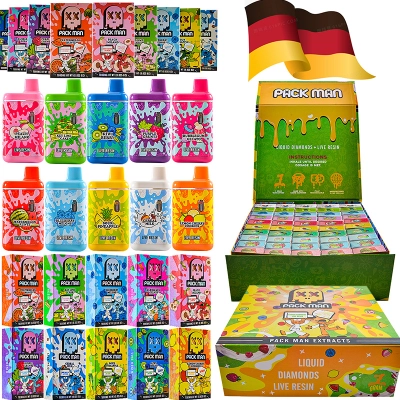
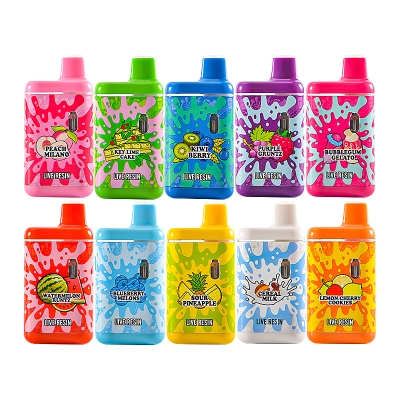
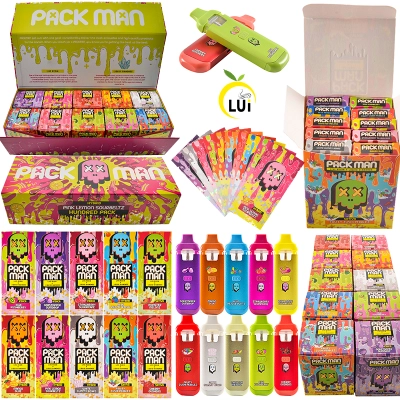
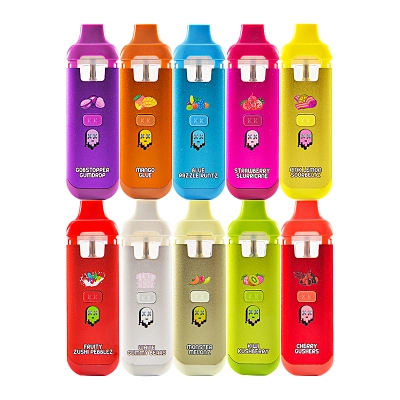
“Sluggers x Packwoods” works as a visual shortcut: buyers recognize the collab vibe instantly—even before they read details. That is why the look must be controlled. You want recognition without confusion.
Design cues to standardize (without over-claiming)
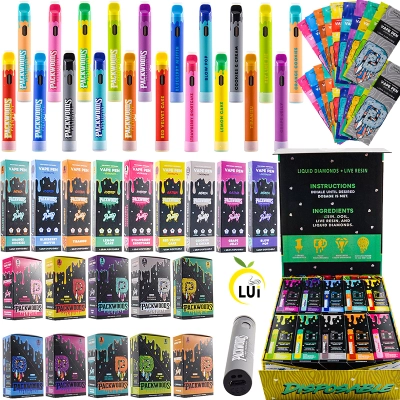
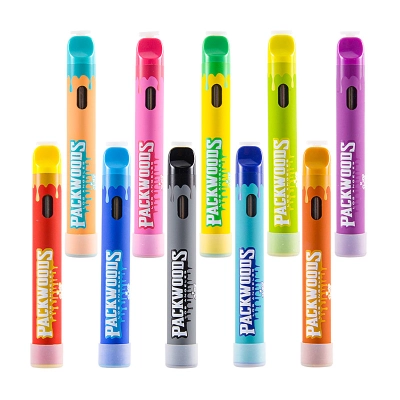
- Front panel hierarchy: brand block → capacity block (e.g., “2g”) → feature icons → “empty hardware only”.
- Repeatable finishes: matte soft-touch, metallic foil accents, or textured patterns (pick 1–2 per season).
- Icon system: USB-C, rechargeable, ceramic/mesh (if applicable), and “verification” icon tied to your QR/serial.
Tip: Use “style / inspired / compatible” language in listings, and keep the technical promise tied to hardware and packaging—never to filled performance.
3) Anti-counterfeit details: 3 layers that actually work
Counterfeit prevention isn’t one magic hologram. The most defensible approach is multi-layer, mixing overt + covert + digital checks. ISO’s anti-counterfeit guidance emphasizes performance criteria and evaluation over “cool looking” features, which is exactly how B2B teams should think. See: ISO 22383:2020 and the note that it updates the withdrawn ISO 12931.
Layer A — Overt (customer-visible)
- Tamper evidence: tear strip, destructible seal, or VOID label that cannot be lifted cleanly.
- Serial + QR: a clean “scan to verify” moment that works on every phone camera.
- Print micro-details: microtext lines or guilloche patterns that cheap printers struggle to replicate.
Layer B — Covert (trade-only)
- UV mark: a tiny UV icon or code only your team knows to check.
- Hidden variable data: randomization patterns (not sequential-only) to prevent easy duplication.
0 Comments