
Sluggers × Blackcraft: Shell-Level Details to Combat Fake/Refilled Products
Empty Hardware Only — no e-liquid, nicotine, or THC. This guide focuses on shell-level design, labeling, and QC methods for B2B buyers of sluggers-style empty hardware.
1) The threat model: refill, swap, and counterfeit skins
Refilled units and counterfeit look-alikes exploit three gaps: (i) mechanical access to the reservoir, (ii) lack of unit-level identity, and (iii) weak carton-level controls. A Sluggers × Blackcraft program should address all three without compromising industrial design or assembly throughput.
2) Mechanical anti-refill architecture (design to deter)
- One-way closure path. Use a snap-fit or torque-limited mouthpiece that plastically deforms or shears a sacrificial feature on first closure, leaving irreversible “witness marks.” Any attempt to remove and reseat results in misalignment or gap.
- Solvent/ultrasonic welds at critical seams. Where the shell meets the reservoir, specify a weld that creates visible stress whitening or a fractured energy director if pried open—clear tamper evidence even without labels.
- Hidden breaks. Add internal anti-rotation keys and crush ribs so reassembly cannot recreate OEM fit; consumers won’t see them, but inspectors can.
- Ingress discipline. If you target splash/dust resistance (e.g., an IP level), test before claiming; otherwise label as “non-serviceable.” IEC 60529 overview
For formats that evolve into a slugger disposable vape shell with variants, keep the anti-refill geometry common across SKUs to simplify QC and training.
3) Tamper-evident features users actually notice
Consumers need simple “I can tell” signals, while B2B needs objective checks:
- Bridging seals. Use a film label that bridges mouthpiece and body; it should tear on twist or lift and show “VOID” messaging. Tamper-evident principles require the feature to remain intact through distribution yet show visible evidence of opening. 21 CFR 211.132 concept
- Microtext + tactile cues. Microtype along the seam (“sealed at factory”) and raised textures that are hard to replicate on short-run fakes.
- Color-shift or PVD accents. Use narrow metallic accents with precise radii; counterfeits often miss tone consistency across lots.
4) Digital authentication that scales beyond pretty QR
Generic QR codes are easy to clone. Instead, use serialized GS1 identifiers and a standards-based URL format that can be validated online and parsed offline.
On the unit box
- GS1 Digital Link QR encodes GTIN plus optional lot/serial/expiry and resolves to a brand URL for authenticity checks and education. GS1
- Rotate landing content by region/retailer; throttle repeated scans and flag geographic anomalies.
On inners & master cases
- Apply GS1-128 logistical labels (e.g., SSCC-18) for receiving and ASN matching; it also helps detect case swaps. GS1-128
- Record scan events to connect inbound lots to specific distributors—useful for diversion investigations.
5) Authentication performance: design to a standard
When you select overt (visible) and covert (forensic) features, evaluate the mix against recognized performance criteria so you avoid box-ticking and build a layered defense appropriate to risk. ISO 12931 offers a framework to set and assess such criteria for material goods; cite alignment rather than claiming certification unless you actually undergo conformity assessment. ISO 12931
6) Packaging controls that cut through peak-season chaos
- ISTA-style robustness. Validate your master case for parcel networks so seals don’t self-break and create false positives; use distribution testing such as ISTA 3A as appropriate. ISTA procedures
- Case math consistency. Fix the unit-per-inner and inners-per-case counts; fakes often miss the official pack-out math and label grammar.
- Optional child-resistant outer (where required). If any retail configuration requires special packaging, align with PPPA / 16 CFR 1700 test expectations (child panels) and keep statements precise. CPSC PPPA
7) QC you can publish without leaking your recipe
Buyers trust numbers, not adjectives. Publish a rolling dashboard (last 90 days) with:
- Incoming-lot identity match rate(unit QR ↔ case SSCC ↔ PO)和拒收门槛。
- Tamper-seal integrity failures per 10k units(运输/陈列后抽检)。
- Mechanical breach attempts的可见性判定一致率(质检之间的一致性指标)。
在法务允许的范围内,展示“打假案例”概况(移除敏感对象),并说明你如何用上述机制阻止再次发生。
8) How it looks inside your catalog
把联名壳体与常规目录互链,给不同角色(采购、法务、营运)清晰跳转:
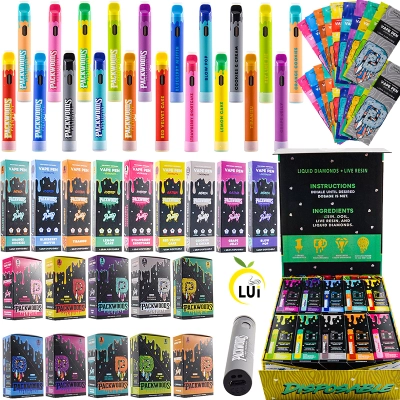
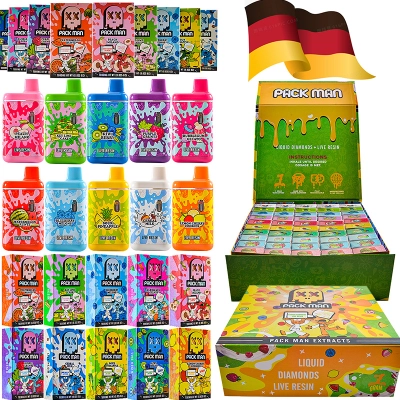
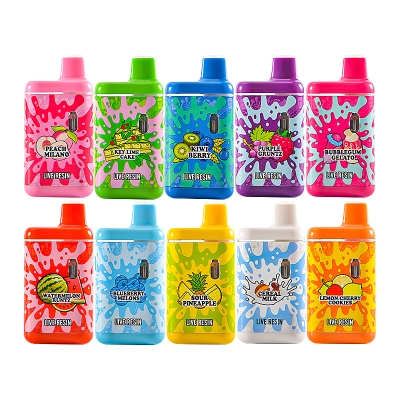
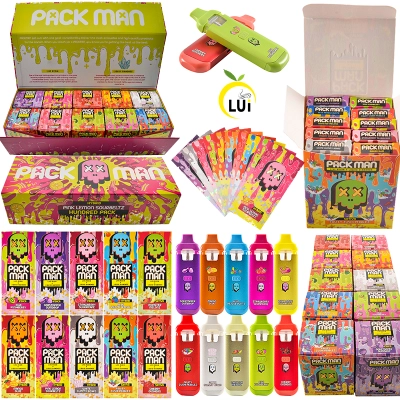
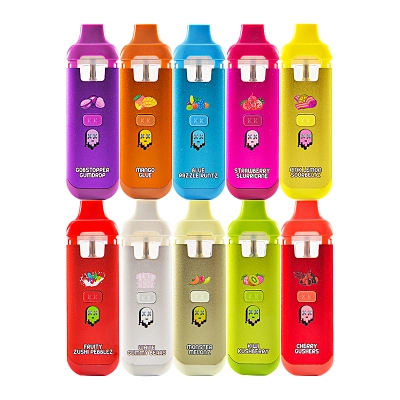
- Explore the sluggers collection for compatible molds and finishes.
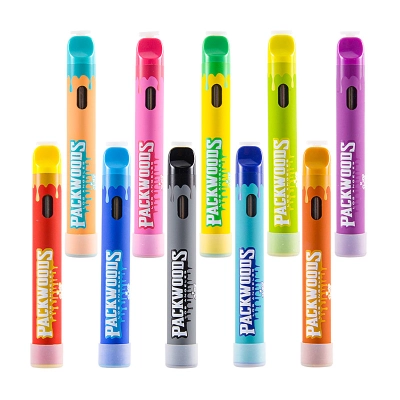
- See core formats on slugger disposable vape and plan common anti-refill geometry.
- Review empty formats baseline on Empty Disposable Vape Pen before applying collab CMF and labels.
0 Comments