
Postless 2g Empty: Why Postless Designs Work Better for Liquid Diamonds & THCa
This article focuses strictly on empty hardware. Any references to liquid diamonds or THCa are about their physical properties (viscosity, crystallization behavior) and how those properties interact with postless 2g empty devices supplied to licensed operators.
Table of Contents
- What is a postless 2g empty design?
- Why liquid diamonds & THCa stress traditional center-post hardware
- Key advantages of postless disposable layouts
- QC and compliance framing for postless 2g programs
- How to position postless disposable devices in your lineup
- FAQ: Postless 2g empty hardware for advanced formulations
What is a postless 2g empty design?
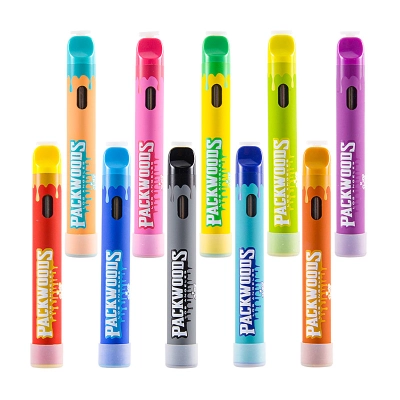
Traditional cartridges route oil around a central metal post that also carries vapor and electrical connections. By contrast, a postless layout removes the center post and relies on an integrated heater structure and side-fed wicking. In a 2 g format, that means more space for the reservoir and more freedom to tune inlet geometry for very thick formulations.
In the context of a Postless disposable, the core elements typically include:
- A 2 ml class reservoir with no central obstruction.
- An integrated ceramic heater with side intakes instead of bottom-fed ports around a post.
- A carefully controlled air path that keeps vapor away from bulk liquid as much as possible.
- A rechargeable cell and PCB with standard protections (short-circuit, over-charge, over-discharge).
Removing the center post is more than an aesthetic decision; it directly affects how dense formulations move, how they contact the heater and how residue builds up over time.
Why liquid diamonds & THCa stress traditional center-post hardware
High-purity liquid diamonds and THCa-based formulations are physically different from thin, simple distillates. They are often:
- More viscous, especially at room temperature or below.
- More prone to crystallization or phase changes if temperature control is poor.
- Less forgiving of dead zones or narrow channels in the reservoir.
In a traditional center-post design, these properties can show up as:
- Starvation near the heater – thick oil may not move evenly through narrow intake ports around the post.
- Cold spots – parts of the tank can stay under-used while other areas drain, leading to uneven performance complaints.
- Higher residue build-up – complex flow paths can trap material in corners and around the post base.
None of this is about the formulation being “good” or “bad”; it is about whether the hardware architecture was designed for it. For B2B buyers working with these types of products, the goal is to choose empty hardware that makes high-viscosity, high-value formulations easier—not harder—to manage.
Key advantages of postless disposable layouts
Postless 2g empty devices address many of these issues at the structural level. When you evaluate a Postless disposable roadmap, several advantages stand out.
1. Cleaner reservoir geometry for thick formulations
Without a central post, engineers can shape the reservoir to reduce dead zones and static corners. That makes it easier for viscous liquids to reach the heater as long as they are handled within the recommended temperature range. Wider, smoother channels and side-fed intakes help maintain a more consistent film of oil around the heater surface.
For B2B buyers, this translates into fewer “hits great at first, then suddenly starves” complaints, especially towards the bottom of the tank where center-post designs often struggle with thick material.
2. Reduced metal contact surfaces
Postless architectures reduce the amount of metal running through the reservoir. While the specific material stack still matters, less metal in the liquid path can simplify regulatory conversations and align more easily with evolving expectations around heavy-metal testing in some markets.
It also gives hardware designers more freedom to isolate electrical components away from the formulation volume, which can improve long-term stability when devices are stored or shipped in challenging conditions.
3. More predictable wicking and heat transfer
Because the heater in a postless device is designed from the ground up around side-fed wicking, its performance can be tuned more precisely for high-viscosity liquids. Instead of adapting a center-post coil to thicker material, brands can choose heater geometries and intake sizes that were created with liquid diamonds and THCa-type fluids in mind.
That makes pilot testing more meaningful: once you see a configuration performing well with one batch, you can expect similar results on the next, assuming your formulation and fill procedures stay within defined parameters.
4. Better match with 2g “flagship” positioning
The 2 g segment is often treated as a flagship tier. When a brand chooses high-value formulations, it makes sense to pair them with hardware that looks and feels engineered rather than generic. Postless housings offer:
- Clean exterior lines that communicate a modern, engineered design.
- Space for windows, animations or screens without the constraints of a center post.
- A platform that is easier to extend into limited editions and collabs over time.
In this sense, postless 2g devices do not just “handle thick oil”; they also support premium narratives that justify higher MSRP and stronger wholesale pricing.
QC and compliance framing for postless 2g programs
Postless designs are not automatically perfect. They need disciplined QC and documentation just like any other hardware platform. Serious B2B programs will look for:
- Coil resistance and airflow data – sample reports showing tight resistance windows and stable airflow across batches.
- Battery and PCB testing – verification that cells and circuits have been evaluated against mainstream references such as UL 8139 for e-vapor device electronics.
- Transport readiness – documentation that lithium cells meet UN 38.3 test expectations for vibration, altitude and temperature cycling.
- Packaging robustness – packaging tests referencing ISTA 3A to ensure devices survive parcel and pallet networks when filled.
Clear labeling that frames units as empty hardware and separates them from finished, filled consumer products is also essential for logistics and regulatory partners.
How to position postless disposable devices in your lineup
For many brands, the best approach is to treat postless 2g hardware as a dedicated platform for advanced formulations rather than a universal replacement for all devices.
- Flagship tier for high-value formulations – pair postless 2g empties with your most demanding, premium lines where performance and consistency matter most.
- Innovation and collab platform – use postless housings as the canvas for limited drops, co-branded releases and seasonal campaigns that highlight engineering as well as flavor.
- Upgrade path from standard hardware – offer postless 2g versions as an upsell for wholesale partners already comfortable with your simpler devices.
The message to B2B buyers is straightforward: when you move into thick, high-value formulations, a Postless disposable architecture reduces friction. It helps protect the product inside, your support team and your brand reputation at the same time.
FAQ: Postless 2g empty hardware for advanced formulations
Are postless 2g devices supplied as finished, filled products?
No. In this context, postless 2g devices refer to empty hardware shells only. Units leave the factory without oil, nicotine, THCa or any other filling. Licensed operators in each market are responsible for filling, testing and regulatory compliance.
Do postless designs automatically fix every issue with thick formulations?
They significantly improve the odds by providing cleaner geometry and more appropriate wicking for high-viscosity liquids, but they are not magic. Performance still depends on formulation properties, filling procedures, curing practices and storage conditions.
How should B2B buyers compare different postless platforms?
Look at resistance windows, airflow data, leak-test results, packaging performance and documentation against references like UL 8139, UN 38.3 and ISTA 3A, not just at the exterior design. The best choice is the platform whose engineering and paperwork both support your long-term brand and logistics strategy.







0 Comments