
Packman Vape Overview: V6, Screened & Classic Shell Trends in 2025
Nominative/fair-use note: “Packman” refers to third-party design language. Lueciga supplies compatible, branded-style empty shells and packaging only.
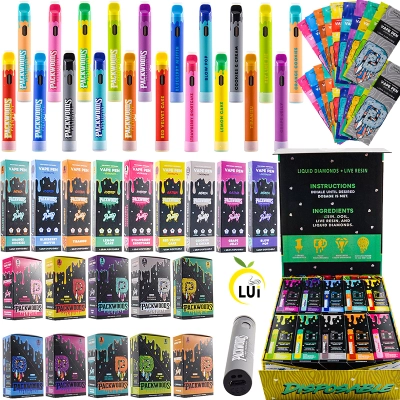
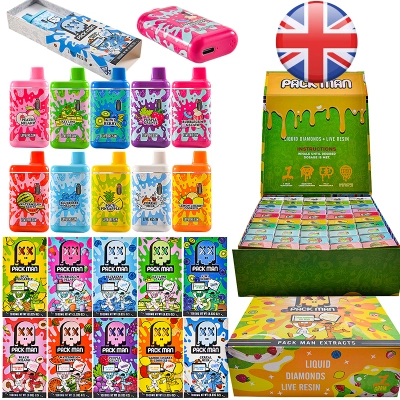
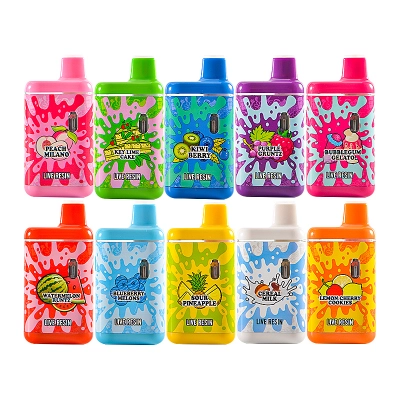
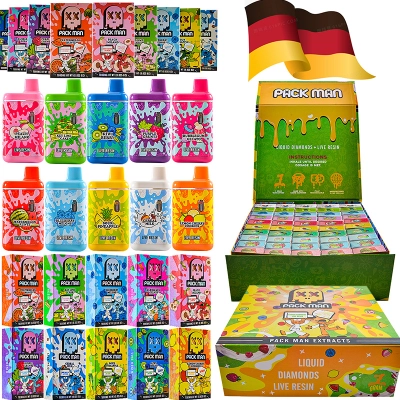
Packman-style hardware has evolved into three clear tracks for B2B buyers in 2025: the classic shell (no screen), screened editions with status indicators, and the newer V6 dual-chamber layouts aimed at flavor rotation and fill flexibility. This overview explains when each format fits, how to map them to thick-oil operations, and what to standardize in your packaging and logistics. To browse the full family, start from the curated category hub packman, then jump into the day-to-day line packman disposable for purchasing.
1) The three Packman families you’ll meet in 2025
Classic shell (screen-less)
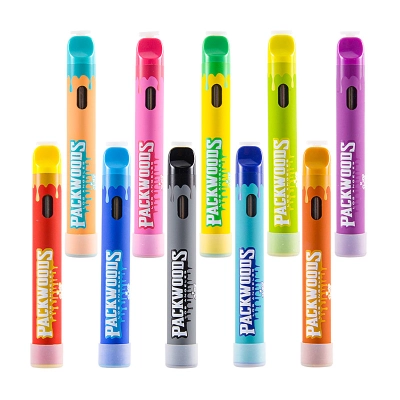
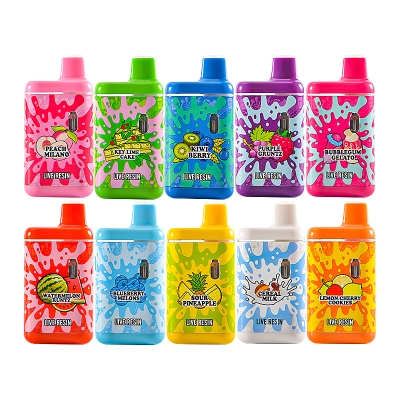
The classic “no-screen” shell remains the volume workhorse. It’s simple to onboard for new fillers, keeps unit cost predictable, and offers fast training for retail staff. Choose the classic route if your markets prefer low-complexity devices and you’re prioritizing a lean SKU plan for wholesale pallets.
Screened editions (status visibility)
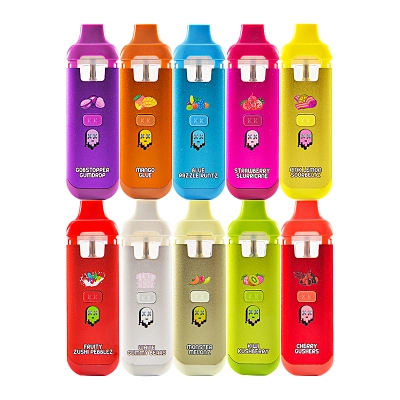
Screened Packman-style devices surface battery, draw feedback, or puff counts, which can reduce support tickets and improve user confidence—useful for higher-AOV retailers or regions where customers expect visible status. If you plan to standardize on screened devices across families (Packman, Muha-style, etc.), centralize them under your LED screen vape reference so ops and sales share one set of expectations.
V6 dual-chamber (1 ml+1 ml) variants
V6-style shells use two chambers to separate flavors or viscosities and can help with flavor fatigue and seasonal runs. They also enable A/B fill pilots without retooling an entire SKU. If you’re planning rotation programs or co-branded bundles, shortlist V6 in your dual-tank library here: dual chamber vape.
2) Choosing the right shell for thick-oil workflows
- Oil window & wicking: For thicker profiles, opt for proven ceramic and adequate inlet sizing. Screened units can show charge state that helps avoid cold-start complaints after high-viscosity fills.
- User signaling: Screened shells shine where customers want explicit feedback (battery/usage). Classic shells fit price-sensitive channels where training and returns are already under control.
- Rotation & promos: V6 lets you run “limited flavor B” in one chamber without committing an entire SKU to it—useful for event or regional drops.
- SKU governance: Keep your assortment intentionally small (e.g., one classic, one screened, one V6). You’ll improve demand density and inventory turns.
3) Packaging & master-case notes (keep receiving painless)
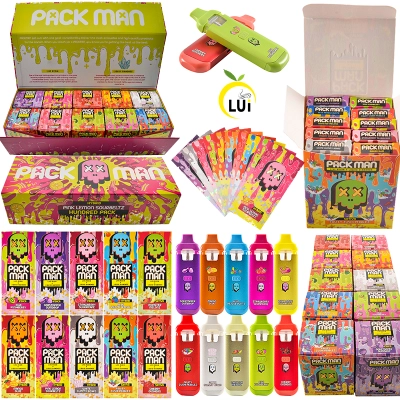
Regardless of shell, standardize your inner-pack counts and master-case map so distributors and 3PLs can book freight immediately. Use consistent label zones for SKU, lot/batch, and case count; include packout photos on the first master case to speed booking. If you mix classic and screened SKUs on a pallet, separate layers to avoid relabeling. When you publish your case spec, cross-link it from product pages and your logistics hub to cut email back-and-forth.
If you operate on tight timelines in North America, align your assortment to the items surfaced on USA disposable stock so replenishment is “plug-and-play” with domestic hubs.
4) Merchandising: how distributors present Packman in 2025
Treat Packman like a small, clean family. Lead with the two or three hero SKUs that match your core buyers, then run seasonal colorways or limited V6 drops as promos. Screened devices deserve their own shelf talkers and product photos calling out battery status visibility; classic shells should emphasize simplicity and value; V6 should emphasize flavor switching and the “two-in-one” proposition.
5) Quality & returns: what actually lowers RMAs
- Process notes on the PDP: Add short fill/QC guidance (viscosity window, pre-warm, torque checks) to your Packman product pages so buyers adopt the same handling SOPs you tested.
- Accessories: Keep charging and cable notes up-front for screened SKUs. It avoids “light-on/no-draw” tickets after long shelf time.
- Batch tracking: Encode lot/batch on unit boxes and master cases; mirror it on invoices to make any investigations fast and fair.
6) Quick comparison: classic vs. screened vs. V6
Classic: lowest unit cost and easiest onboarding; great for price-sensitive lanes and bulk programs.
Screened: better user signaling (battery/draw), fewer support questions, higher perceived value; position for premium shelves.
V6: rotation and flexibility; ideal for co-branded packs, seasonal flavors, and flavor-fatigue prevention; plan your packouts accordingly.
7) Next steps
Start with your market mix: if your retailers request visible status and fewer support tickets, begin with a screened hero SKU; if you’re testing flavors, pilot V6; if you need speed and volume at the best cost, stick with a classic shell baseline. Keep the navigation simple: category hub → product line → logistics spec—then scale.
0 Comments