
Pack Man V6 Deep Dive: Screen, Battery, Coil and Shell Specs for B2B Projects
For B2B hardware buyers, the Packman line has become one of the fastest-moving platforms in the 2 g empty disposable category. If you are already familiar with the broader packman ecosystem at Lueciga, the V6 dual-tank edition is the next logical step when you want more visual feedback, more flexibility for blends, and a shell that is ready for serious OEM projects rather than just small test runs.
This article focuses on hardware only: shell, dual-tank layout, LED screen logic, battery system, coil structure, and the QC questions that B2B teams should ask before locking the Packman V6 platform into long-term contracts.
1. What exactly is Packman V6 in the Lueciga line-up?
Packman V6 is a 2 ml (marketed as 2 g) empty disposable shell with a dual-tank 1 ml + 1 ml configuration. Instead of a single reservoir, the internal body is divided into two chambers, which lets you:
- Run two different terpene profiles or strains in a single device.
- Offer “summer edition” style SKUs where users can switch or mix flavors.
- Experiment with different viscosity ranges while keeping the same outer shell.
Lueciga positions these units as empty devices without concentrates, so compliance, oil sourcing, and labeling remain in the hands of licensed fillers and brands. Your team gets a consistent hardware platform; you decide how to fill, package, and register it in your own markets.
2. LED screen behavior: what B2B teams should care about
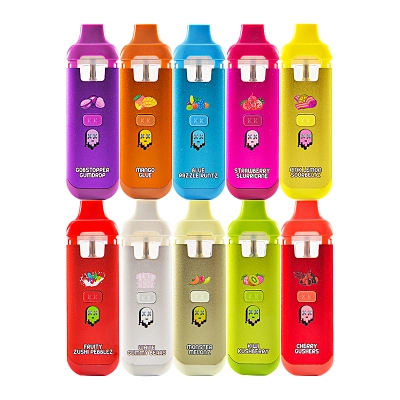
Modern Packman-style disposables often add a small LED screen to the front panel. On V6-class hardware, that screen is not just cosmetic — it typically shows some combination of:
- Battery status (bar or percentage) so users know when to recharge.
- Puff count or a simple usage indicator for self-regulation.
- Status icons such as pre-heat mode, fault codes, or timeout warnings when the draw is too long.
For B2B buyers, the value of the screen is simple: fewer “dead on arrival” complaints, fewer surprises mid-session, and a more premium perception on shelves. However, it also means more electronics on the board. When you qualify Packman V6, always request the electrical spec sheet and confirm:
- What the screen actually displays (battery only vs. battery + puffs).
- Whether there is a hard cut-off for long draws (e.g., 8–10 seconds).
- What protections are implemented (over-charge, over-discharge, short-circuit).
3. Battery and charging: capacity, ports and safety baselines
In the 2 g disposable segment, most serious shells sit in the 300–350 mAh, rechargeable range with a constant-voltage output tuned for viscous oils. Many Packman-type 2 g screens units now standardize on USB-C charging and publish the battery’s nominal capacity plus basic protection features in their data sheets.
When you evaluate Packman V6 samples, treat the following as minimum due diligence:
- Ask for a UN 38.3 test summary for the lithium cell used in the device, because international transport regulations expect tested cells for air and road shipping.
- Confirm whether the cell design has been evaluated against IEC 62133-2 / similar battery safety standards and whether the overall electrical system aligns with UL 8139 (electrical systems of electronic cigarettes and vaping devices).
- Check that recommended charge current, charge voltage, and cycle count are documented in the spec sheet and match your charger guidelines.
For large-volume projects, many OEM buyers now run their own third-party lab checks on random samples (capacity verification, charge/discharge curves, abuse tests) to make sure the actual cell performance matches the paperwork.
4. Coil, intake and performance with modern oils
Packman V6-class disposables are typically built around a porous ceramic coil with a resistance in the 1.2–1.5 Ω range and a multi-intake oil design. In the 2 g segment, a common pattern is four oil holes around 1.5–1.6 mm, which provides enough total surface area for live resin, liquid diamonds and rosin-style formulations without flooding thinner blends.
When your lab team receives first-run V6 samples, make sure they:
- Measure coil resistance with a multimeter and compare it with the data sheet.
- Inspect intake hole size and placement under magnification.
- Run fill tests at your target viscosity and storage conditions (cold / room temp).
- Log any clogging, spit-back, or dry-hit issues over at least several dozen puffs.
The goal is not just “it works once,” but a consistent curve: smooth first puffs, stable flavor through mid-tank, and no burnt note as the battery approaches the last 10–15% of its charge.
5. Shell, dual-tank layout and customization options
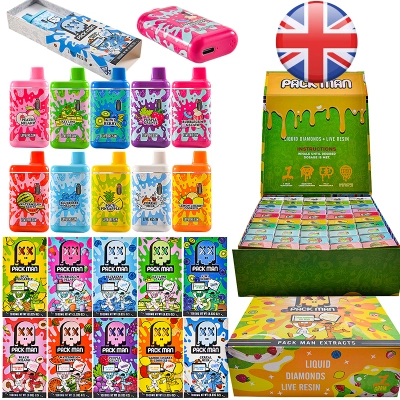
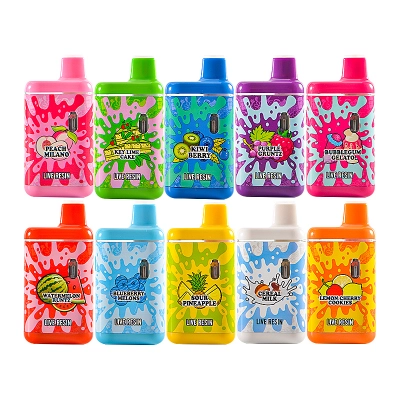
One of the reasons many brands choose Packman-style devices is the recognizable silhouette and easy packaging. Packman V6 keeps that familiar boxy footprint but adds:
- A dual-tank internal structure (two independent 1 ml channels).
- A front-side window or indicators so users can read oil level.
- An enlarged face area for logos, seasonal wraps and collab artwork.
On the OEM side, you can usually negotiate:
- Shell colors and finishes (matte vs. gloss, seasonal gradients, special editions).
- Custom printing for your brand and compliance marks.
- Bag or box packaging formats that match your display strategy.
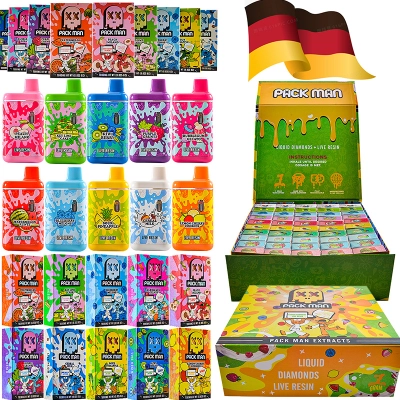
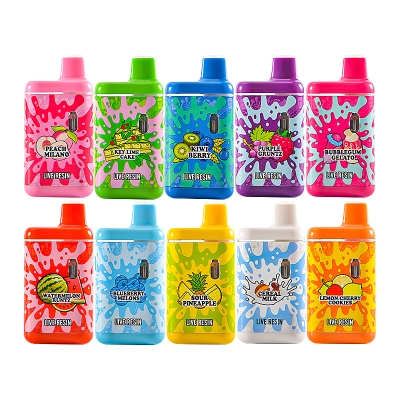
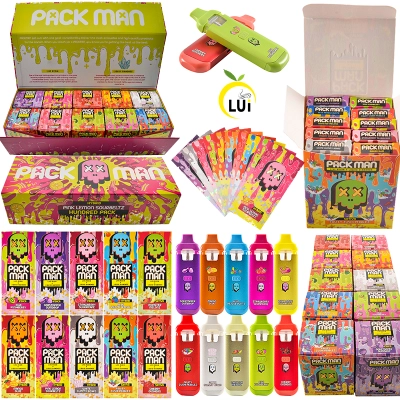
If you are exploring multiple SKUs under the same chassis, you can look at the broader packman disposable catalog to keep your hardware family visually consistent while varying only the artwork and flavor sets.
6. Practical QC checklist for Packman V6 B2B projects
Before you commit to a large V6 order, it helps to run a structured “engineering acceptance test” instead of just a quick visual inspection. A simple, repeatable checklist might include:
- Spec verification – Capacity (2 ml total), coil resistance, battery rating and charge port all match the signed data sheet.
- Functional testing – 10–20 units filled and cycled to near empty to capture any early-life failures.
- Screen and controls – Screen content is readable, icons make sense, and cutoff / pre-heat functions behave consistently.
- Mechanical integrity – No loose mouthpieces, rattling boards, or cracked shells after basic drop and vibration tests.
- Documentation – UN 38.3 test summary, battery safety data, and basic instructions for safe charging and disposal are available on request.
For cross-border programs, also confirm with your logistics partner that their chosen carrier accepts this class of lithium devices and that the paperwork they receive from the factory is sufficient for air shipments.
7. When Packman V6 is the right fit vs. other shells
Packman V6 shines when you want a recognizable 2 g form factor with dual-tank flexibility and an LED display. It is a strong fit for:
- Brands planning seasonal or “summer edition” flavor lines.
- Projects where status visibility (battery / puffs) reduces support tickets.
- Retailers who want a clear step-up device above basic non-screen disposables.
If you are still comparing options, you can also benchmark V6 against related Lueciga platforms such as Packman V6 summer 2g disposable or ACE Ultra x Packman collab models that share similar electronics but come with different shells and packaging.
The bottom line for B2B buyers: treat Packman V6 as a flexible, premium chassis. As long as you lock in a clear spec sheet, insist on proper battery testing, and run your own fill trials, it can be a reliable workhorse for large-scale OEM, white-label, and wholesale projects in the 2 g category.
0 Comments