
Muhameds Wholesale: Long-Tail Strategy for Branded-Style Empty Hardware
Nominative use only: “Muha/Muhameds” refers to third-party design language. Lueciga supplies compatible, branded-style empty shells and packaging, not filled products.
Why a long-tail play beats broad terms in 2025
Competing solely on broad head terms (“Muha”, “disposable vape”) invites rewrites, volatility, and mismatched intent. A long-tail strategy—specific formats, capacities, logistics questions, and procurement tasks—captures commercial intent with lower competition and higher B2B close rates. For Lueciga’s audience, that means building content and category pathways that map directly to what buyers actually do: shortlist shells, verify specs, confirm packaging, and place pallet-level orders.
Build a focused cluster around the decision path
Anchor your cluster in a style family hub and branch to task pages. Use your Muha-style hub to centralize discovery—then send shoppers into action pages that solve a specific job (capacity, screen vs. non-screen, warehouse stock, master-case counts). This article is the strategy node; your catalog pages are the transaction nodes.
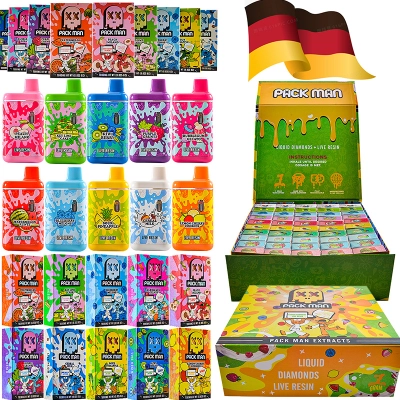
- Family hub (discovery): Curate the design language and keep SKUs tight. Start with the category page muha meds wholesale for style continuity and top-level filtering.
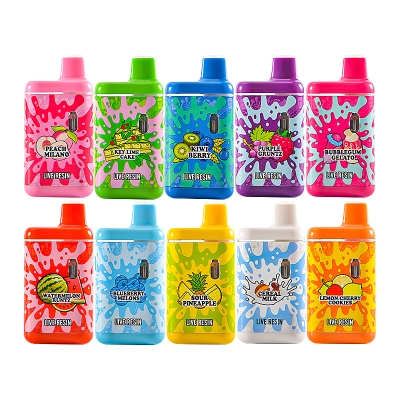
- Action line (transaction): Route buyers directly to day-to-day shells via muha disposable vape where they can compare capacities and editions.
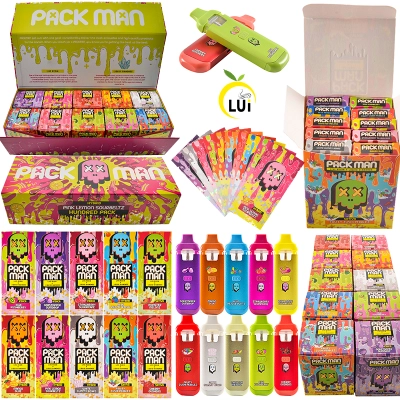
- Operational support: Give ops/3PL teams a packing standard. Publish counts/labels on the dedicated Muha master case box page so receiving and ASN prep are turnkey.
Taxonomy & intent: how to title, group, and route
Use descriptive, nominative titles that reflect empty hardware only. Group by use cases buyers care about—2 g daily runners, 3.5 g premium shells, LED-screen editions for higher AOV customers, and warehouse-stockable variants for rush orders. Each sub-page should answer one intent cleanly and link up to the family hub and sideways to related tasks (e.g., case counts).
- Capacity splits: Separate 2 g vs. 3.5 g rather than mixing them; this mirrors real procurement filters and reduces return risk.
- Ops-first copy: Include inlet sizes, coil ohms, chipset protections, and recommended viscosity ranges—this is what B2B buyers share internally for sign-off.
- Compliance clarity: Reiterate “empty hardware only” and nominative use in every product template; keep logos/artwork discussion in OEM/ODM sections.
Content angles that rank and convert
Long-tail topics should do real work for buyers. Use templates that combine specs, SOPs, and procurement signals:
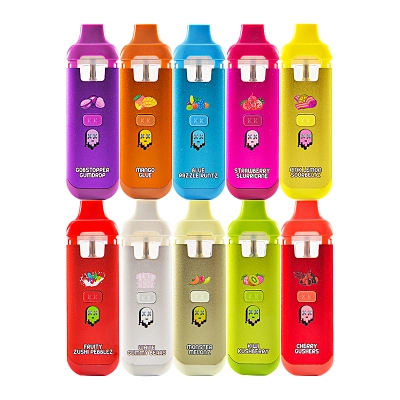
- “2 g vs. 3.5 g for launch vs. expansion”: Quantify cycle life, charge behavior, and fill yield. Pair with a premium lineup like Muha Meds 3.5g empties for shoppers moving upmarket.
- “Screen vs. classic shells for thick oils”: Map UX benefits (dose/battery visibility) to oil viscosity and support cost; keep SKU lists short to reduce analysis paralysis.
- “Case counts & GS1 labels for faster receiving”: Link to your master-case spec and include photos/line drawings on the reference page to cut warehouse back-and-forth.
Internal linking that builds relevance without cannibalization
Keep internal links purposeful and sparse. From this strategy post, route readers to exactly five high-value nodes: the family hub, the disposable line, the master-case reference, an upmarket capacity page, and a regional stock page for urgent orders. This shapes crawl paths and user flows without over-optimizing or duplicating anchors.
For speed-critical buyers, surface your USA disposable stock to set expectations on lead times and mixed-SKU pallets. Ensure these pages echo the same nominative/compliance language so ad platforms and marketplaces read them consistently.
Page templates that answer procurement questions
Give every SKU page a predictable wireframe your buyers can scan in 15 seconds:
- Spec panel: oil capacity, coil resistance (e.g., 1.2–1.4 Ω ceramic), inlet size, battery mAh, charging IC protections.
- Fill & QC notes: viscosity window, recommended pre-warm, torque and cap checks, sample AQL outline.
- Packaging: unit box, inner pack, master case options; link the full case spec so 3PL can book freight immediately.
- OEM/ODM: artwork zones, colorways, anti-counterfeit options (QR/serials), and batch coding.
- Regional availability: clear stock locations and ETAs by hub.
Copy that closes B2B deals
Write for operators, not algorithms: emphasize repeatability (same mold/chip/ceramic), predictable RMA rates, and clean documentation. Replace hype with proof points buyers can paste into internal tickets. Keep claims nominative and avoid implying brand ownership.
Next steps: operationalize your long-tail
1) Consolidate your Muha-style portfolio to a core set of SKUs and publish their shared spec sheet. 2) Connect each SKU to a single task page (capacity, screen, case counts, or warehouse stock). 3) Maintain a tight internal-link set—five high-value links is enough— and review anchors quarterly to avoid collisions with new posts. With this foundation, “Muhameds Wholesale” becomes a durable revenue stream: easier forecasting, fewer relabels, and faster purchase approvals.
0 Comments