
Muha Master Case: Ideal Counts, Labeling & Logistics for B2B Shipping
Nominative use only: “Muha”/“Muha Meds” are third-party brands. Lueciga supplies compatible branded-style empty devices and packaging only.
A well-designed master case does more than hold products—it protects margin. For regional distributors moving Muha-style empties, the right case count, clear barcodes, and correct battery handling marks prevent damages, refusals, and rework at receiving. This guide consolidates what your warehouse and 3PL teams need to structure master cases that move smoothly through parcel and LTL networks while staying audit-ready.
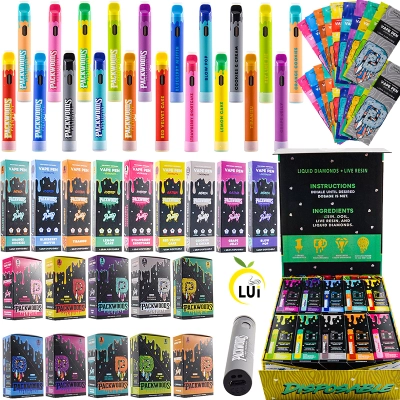
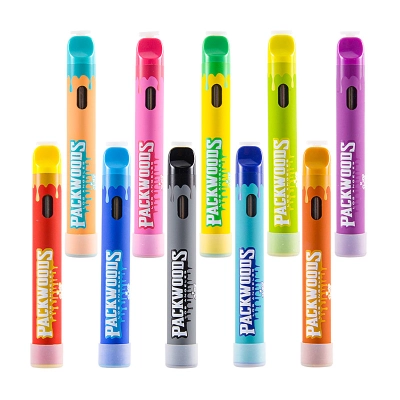
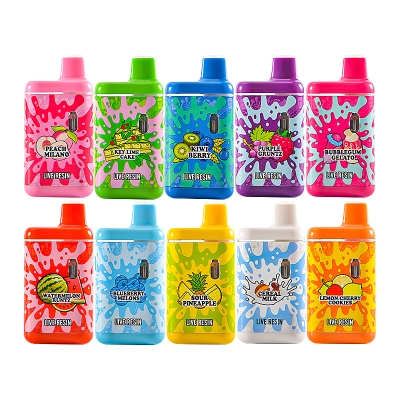
If you’re building a Muha-style assortment, start from the curated category muha meds and shortlist the core shells your clients actually fill. For disposable form factors, route buyers directly to muha disposable vape as your working catalog, then lock master-case specs around those SKUs.
1) What exactly is a “Muha master case” in the B2B context?
A master case is the outer shipping carton that consolidates multiple inner packs (sometimes called case packs). For Muha-style empties, the typical flow is: individually boxed devices → inner packs (e.g., 10s/20s) → master case. This layered approach speeds counting at receiving, protects corners in transit, and ensures uniform palletization. Your master case spec should define: inner-pack size, total unit count, target gross weight, carton grade, and label set.
2) Ideal master-case counts (and how to choose them)
There’s no one “magic” number; the goal is to balance safe handling, carton integrity, and scan efficiency:
- Work in multiples of your inner pack. If your inner pack is 10 or 20 units, common master-case counts are 100, 200, or 240 units. This reduces partial packs and speeds QC.
- Target a manageable gross weight. Keep cases comfortable for single-person handling in small-parcel environments and stackable for LTL.
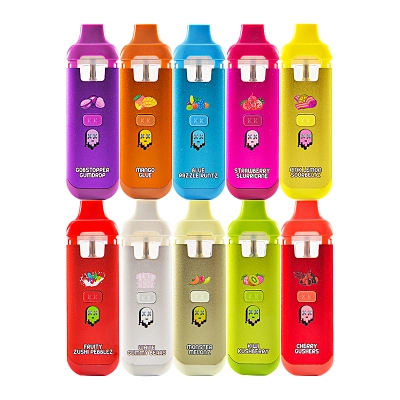
- Protect the corners. Use corner posts or snug dividers for LED-screen versions or larger 3.5 g shells.
- Align with high-velocity SKUs. For rapid turns, standardize counts across colorways/editions to simplify forecasting.
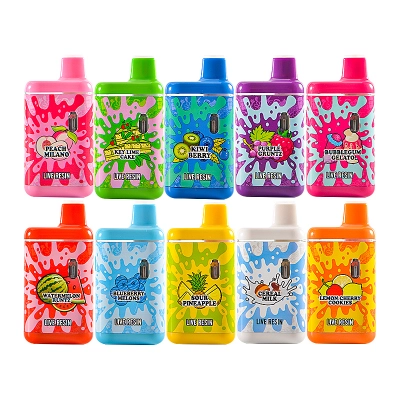
When your catalog expands into higher capacity formats (e.g., 3.5 g), set a separate spec so you’re not forcing the same carton on physically larger SKUs. See Lueciga’s Muha Meds 3.5g lineup for examples you can model in your case map.
3) Case labeling that passes docks and audits
Distributors should standardize on GS1-based case labels so trading partners can scan and reconcile quickly. At minimum:
- Case barcode: ITF-14 or GS1-128 encoding your GTIN-14 for the case level.
- Logistics identifier: An SSCC (“license plate”) for pallets or logistic units when you need ASN tracking.
- Human-readable text: SKU, case count, lot/batch, and production date in clear type.
- Placement & printability: Put the scannable symbol on a long side with adequate quiet zones and consistent orientation.
Lock these elements into your artwork templates so every vendor prints the same, scan-reliable label set. It eliminates relabeling at cross-docks and reduces receiving time.
4) Lithium-battery marks for devices with integrated cells
Most disposable vape shells include a rechargeable lithium-ion cell. Your master case must reflect the correct battery handling marks and documentation for air and ground transport. Coordinate with your 3PL on the proper mark for “batteries contained in equipment” vs. “packed with equipment,” keep the emergency contact visible, and make sure the device model used in your Muha-style program has a current UN38.3 Test Summary on file. Print the marks cleanly and avoid covering them with other labels during cross-dock relabeling.
5) Transit-readiness: carton strength, cushions & test method
Small-parcel and integrators can be punishing. Use a double-wall or higher ECT where needed, keep inner voids tight, and standardize drop/stack testing before a new master-case spec goes live. For parcel shipments, an industry-standard general simulation test is widely used to verify that packaging survives realistic hazards. Build a lightweight packaging spec sheet (die-line + BOM + packout photos) that your vendor and 3PL both sign off on.
6) A simple, repeatable case layout
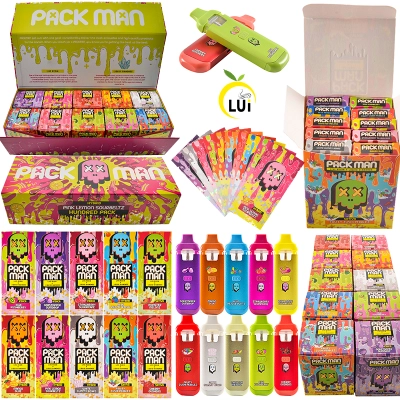
A workable default for Muha-style 2 g empties is: 10 inner packs × 10 units = 100 units per master case; with LED or 3.5 g shells, reduce layers or increase dividers. Whatever you choose, document it once and apply it to all color variants so your team isn’t re-engineering packouts for each SKU.
For distributors relying on domestic speed, coordinate with the Lueciga USA disposable stock assortments and mirror those counts so replenishment is plug-and-play.
7) Receiving & traceability that your customers notice
Your customers will judge your operation by how quickly their teams can book inventory and pass QA:
- One label, many wins: The right GS1 label means faster scans, fewer manual edits, and cleaner ASNs.
- Batch clarity: Put the lot code on both the case and inner packs; mirror it on your invoices.
- Photo-assisted SOPs: Include a single-page packout photo in every shipment so receiving can verify counts without opening every pack.
8) Applying the spec to your catalog
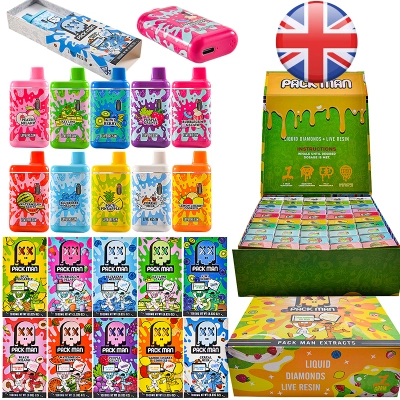
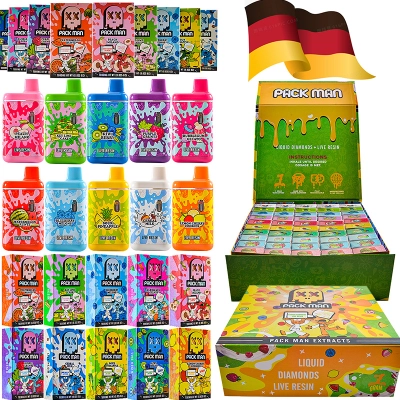
Once your case template is set, extend it to each style family and seasonals. Keep a dedicated page for your muha master case box so sales, warehouse, and 3PLs reference one source of truth. Use it to publish count options (e.g., 100/200), label samples, and the latest handling notes for LED versions.
For assortment and demand planning across regions, anchor the family at muha meds and make muha disposable vape the day-to-day working line for your buyers. Those pages become your “home base” while this article is the operational playbook behind them.
9) Pre-shipment checklist (print and tape inside the first case)
- ✅ Master-case count matches the PO (and is a whole multiple of the inner pack).
- ✅ Case barcode (ITF-14/GS1-128) scans cleanly; text shows SKU, case count, lot, and production date.
- ✅ SSCC applied for palletized/LTL when ASNs are required; human-readable matches the label.
- ✅ Correct lithium-battery mark for the route (and not obscured by other labels); emergency contact present.
- ✅ UN38.3 Test Summary on file for the device battery; include the file path/URL in the ASN docs you send.
- ✅ Carton strength and dividers match the spec; no voids or shifting product after a light shake test.
- ✅ Packout photos and label samples included in the top layer of the first master case.
0 Comments