
EU Stock Empty Shells: Serving EU Distributors with Localized Warehousing
Across Europe, distributors and private-label brands are under pressure to keep shelves full while navigating changing regulations, customs rules, and shipping costs. For empty vape hardware, relying only on long-distance imports from outside the EU can make lead times unpredictable and tie up working capital for weeks. That is why more partners are looking to EU-based inventory solutions such as VAPE EURO, where empty shells are stocked inside the European Union and shipped from localized warehouses.
This article explains how EU stock empty shells help European distributors: shorter delivery times, lower customs friction, and more resilient supply chains built around localized warehousing.
1. Why EU stock matters in a three-day-delivery world
European customers have grown used to fast and affordable delivery. In many mature markets, average expectations for e-commerce orders are around three days, with domestic parcels often arriving even faster. At the same time, cross-border shipping inside the EU can cost two to three times more than a purely domestic shipment, especially when parcels cross multiple borders or customs zones.
For distributors importing empty vape shells from outside the EU, the gap between expectation and reality can become painful. Ocean or long-haul air shipments may take weeks to arrive and clear customs, and any delay in that chain can leave your downstream partners out of stock at the worst moment—during launches or promotions.
By relocating part of your inventory into EU-based warehouses, you transform that long, fragile pipeline into a network of shorter, predictable lanes. Orders to your retail or white-label partners can be fulfilled as domestic or near-domestic shipments, cutting transit time and making your service levels competitive with other categories that already enjoy local fulfilment.
2. Localized warehousing vs. cross-border only: risk and cost
When everything is shipped cross-border from outside Europe, every carton of empty shells becomes a tiny logistics project: export paperwork, import declarations, duty calculations, potential inspections, and the risk of delays. That is manageable for occasional orders, but it becomes a bottleneck when you scale or when regulations tighten.
With localized warehousing, you consolidate that complexity into fewer large inbound shipments, then distribute from EU stock using standard domestic or intra-EU carriers. The benefits for empty vape shells include:
- Fewer touchpoints with customs per unit sold. Once the bulk shipment has cleared, each downstream order moves like a regular EU parcel.
- More predictable delivery windows. Domestic and intra-EU carriers can offer stable transit times and tracking, which makes it easier to promise ETAs to your B2B customers.
- Better control over returns and quality issues. If a batch of empty shells needs inspection or rework, it is far easier to handle that inside the EU than to send items back across continents.
For categories facing increasing customs scrutiny and regulatory updates, this shift to localized warehousing is not just a convenience—it is a way to de-risk day-to-day operations and protect continuity of supply.
3. EU policy changes: why being inside the Union counts
European customs authorities are actively revisiting how low-value imports are processed, due to the rapid rise of small parcels from outside the EU. Proposals have included handling fees per incoming parcel and the removal of certain duty exemptions for low-value consignments. While details continue to evolve, the direction is clear: external shipments are unlikely to become simpler or cheaper over time.
For EU distributors, stocking empty vape shells inside the Union helps you adapt to this environment. Instead of each customer order being a separate import exposure, the upstream importer of record manages compliance at the container or bulk level. Downstream movement from an EU warehouse is then covered by internal EU rules and domestic shipping contracts, which tend to be more stable and predictable over the long term.
This does not remove the need for legal and regulatory diligence. Your business still has to follow local product, packaging, and labelling requirements. But by anchoring your inventory in the EU, you reduce the number of times each unit has to “run the customs gauntlet,” which lowers the chance of delays or unexpected charges on individual B2B orders.
4. Financial upside: aligning inventory with real demand
From a financial perspective, localized EU stock is about more than freight rates. It directly affects how much cash you tie up in inventory and how quickly you can turn that inventory back into revenue.
- Shorter cash conversion cycle. When goods are already in an EU warehouse, you can ship and invoice much faster than if you are waiting for a long-haul shipment to arrive and clear customs.
- Smaller but more frequent replenishment. Instead of placing huge factory-direct orders “just in case,” you can use EU stock empties to top up in smaller, data-driven increments that match sell-through.
- Less risk of obsolescence. If brand artwork, regulations, or packaging preferences change, it is easier to adjust when you are not sitting on months of pipeline inventory still in transit.
For empty shells in particular, this flexibility is valuable. Hardware designs evolve quickly: screen formats, battery specs, mouthpiece geometry, and branding windows can change over a season. EU-based stock lets you adapt your assortment without having to flush large quantities of obsolete packaging stuck in a slow supply chain.
5. How a VAPE EURO–style EU stock program supports distributors
Programs built around concepts like VAPE EURO are designed to make EU stock practical for real distributors, not just in theory. A well-structured EU stock empty shell solution should offer:
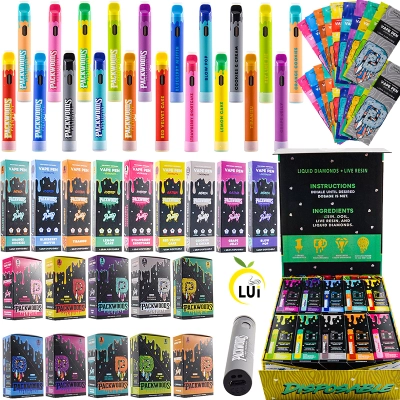
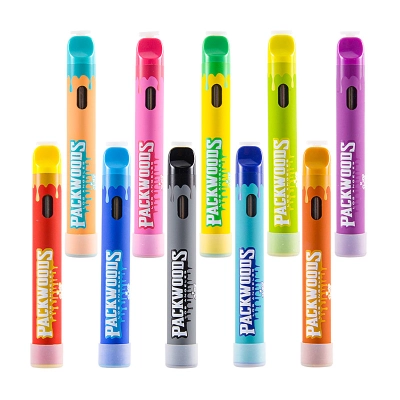
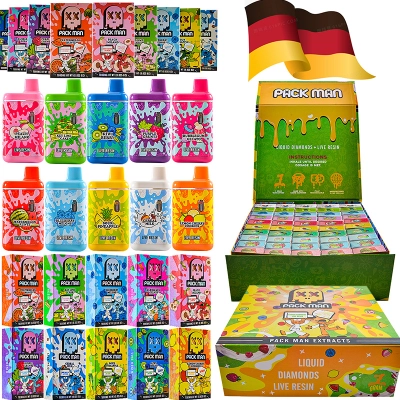
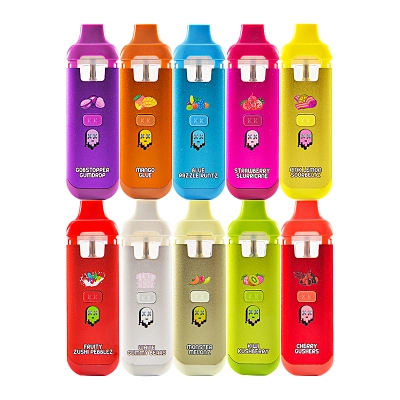
- Core, repeatable SKUs. The most demanded shell formats—classic disposables, screen devices, compact pods—held in stable quantities for fast fulfilment.
- Predictable MOQs. Minimum order quantities tuned for wholesale buyers rather than only for container-level importers.
- Neutral, compliant hardware only. Empty shells with no e-liquid, nicotine, or cannabinoids inside, giving distributors more flexibility in how they position and fill products while staying within local regulatory frameworks.
- Transparent lead times. Clear SLAs from PO to dispatch, with tracking and support aligned to European time zones.
Because stock is already in the EU, distributors can combine SKUs across multiple shell formats in a single pallet or mixed shipment. This is particularly helpful when a brand is testing new designs or refreshing its line-up in different EU markets.
6. Choosing your mix of EU stock and direct imports
EU stock empty shells do not have to replace direct factory imports entirely. For many distributors, the most resilient strategy is a hybrid approach:
- Use EU stock for baseline availability and for new or fast-moving SKUs that need tight replenishment cycles.
- Reserve direct imports for very large, predictable programs under stable specifications where container-level orders make economic sense.
- Leverage localized warehousing to bridge gaps when demand spikes or when long-haul shipments are delayed.
By combining these two modes, you align cost efficiency with resilience. The EU stock acts as a buffer, while long-haul imports cover volume for your most established formats. The result is a supply chain that can support European customers with the speed and reliability they increasingly expect.
Conclusion: EU stock empty shells as your European safety net
For distributors of empty vape hardware, inventory is more than boxes on a shelf—it is your ability to say “yes” when key partners place urgent orders. In a landscape where delivery expectations are rising and cross-border logistics remain complex, depending exclusively on imports from outside the EU adds unnecessary fragility.
Anchoring part of your assortment in localized EU warehouses through programs like VAPE EURO gives you that safety net: shorter transit times, fewer customs surprises, more flexible order sizes, and better alignment between inventory and real demand. For European distributors and brands, EU stock empty shells are no longer a luxury—they are rapidly becoming the new baseline for competitive, reliable supply.




0 Comments