
Black Friday & Cyber Monday: How Distributors Secure Empty Disposable Hardware Without Delivery Delays
Black Friday and Cyber Monday aren’t just a “discount weekend”—for distributors, they’re a stress test of forecasting, QC timing, and logistics capacity. When fulfillment networks get tight, the winners aren’t the teams with the loudest promo—they’re the teams with the cleanest execution: reserved inventory, confirmed pack-out specs, and a routing plan that avoids bottlenecks.
If you source empty devices for brands, white-label programs, or retail-ready packaging, the fastest way to protect your BFCM revenue is to treat shipping risk as a supply problem—not a carrier problem. Below is a practical playbook you can use with your suppliers and 3PL partners, including how lueciga buyers typically structure warehouse routing to reduce transit uncertainty.
Why delivery delays spike during BFCM
Peak season creates “stacked friction”: higher order volume, tighter pickup windows, heavier sort-center loads, and more exceptions (weather events, mislabels, address issues, signature failures). For B2B shipments, even small errors can cascade—one mislabeled master carton can trigger holds, rework, or split deliveries that kill launch timing.
What makes empty hardware different?
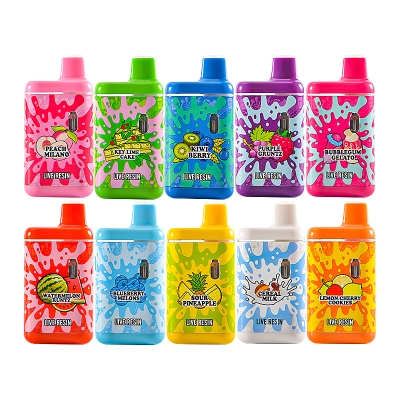
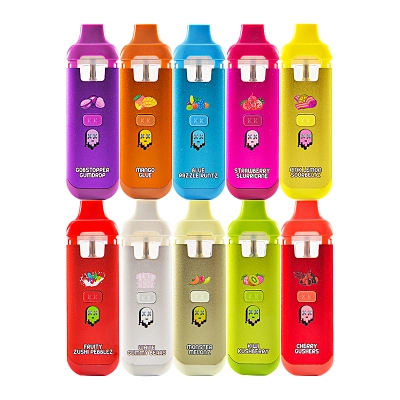
Empty devices aren’t just commodity SKUs. Many orders include retail boxes, inserts, display windows, barcodes, and sometimes device variants (screen vs. non-screen, dual-chamber vs. single). That means your risk is often configuration—not production. The best way to avoid delays is to lock configuration early and make packaging predictable.
The 6-week timeline distributors should follow
If you start procurement “in November,” you’re already reacting. A safer approach is a simple six-week plan that builds time buffers into validation, packing, and handoff.
Week 6–5: demand planning + SKU rationalization
- Choose a smaller, higher-confidence SKU set (fewer variants = fewer pick/pack mistakes).
- Define a “must-arrive-by” date for each customer segment (wholesale, retail, promo drops).
- Set safety stock rules: what you’ll hold back for replacements, damages, or hot sellers.
Week 4: reserve inventory + confirm pack-out
- Reserve inventory in writing (counts, warehouse location, and ship windows).
- Lock master carton counts, inner packs, labeling fields, and palletizing constraints.
- Confirm whether your customers require barcodes (e.g., GS1 GTIN) and carton labels.
Week 3–2: QC sampling + packaging validation
- Run a pre-ship QC checklist (fit checks, charge/ports, button/screen function, leakage prevention on empty shells where applicable).
- Validate packaging: drop resistance, corner protection, and seal integrity for retail boxes.
- Prepare documentation packs so the shipper can clear holds faster (invoice, packing list, SOP sheets).
Week 1: dispatch + monitoring
- Ship earlier than your “must-arrive-by” date—peak-week handoffs are the highest-risk step.
- Monitor carrier service alerts and route around disruptions when possible.
- Use proactive exception handling: if a hub is disrupted, reroute before packages stagnate.
Inventory reservation: the real “deal” in B2B
In B2B, the best “discount” is confirmable availability. Instead of chasing the lowest unit price at the last minute, focus on reserving inventory in the correct warehouse with the correct configuration. A reserved, correctly labeled order that ships smoothly will outperform a cheaper order that misses your customers’ launch window.
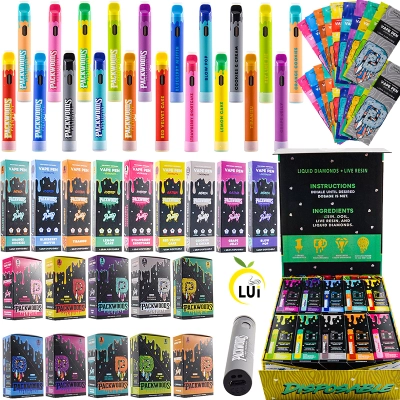
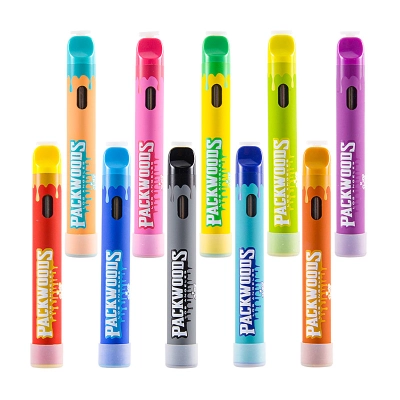
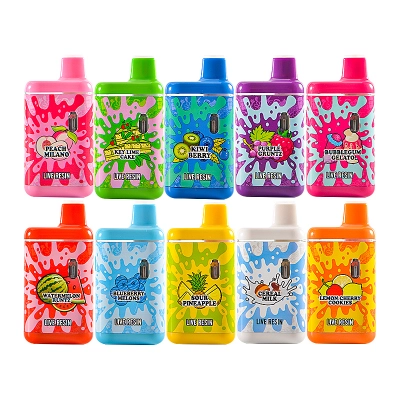
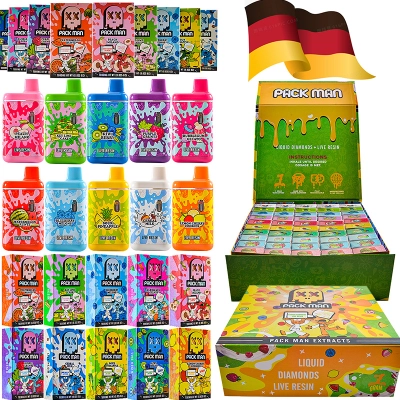
For buyers building a ready-to-ship hardware pipeline, start from a stable category hub like disposable vape pen listings, then narrow by factors that affect fulfillment speed: packaging type (box vs. bag), QR/label requirements, and consistency of device variants.
QC & packaging controls that prevent re-ship cycles
Many “shipping delays” are actually rework delays—problems discovered after packing that force repick, relabeling, or last-minute carton replacement. Your goal is to eliminate late-stage surprises.
Three controls that deliver outsized results
- Golden sample sign-off: approve one reference unit (photos + checklist) that QC and packing teams use as a standard.
- Pack-out SOP (one page): carton counts, label placement, pallet pattern, and what “do-not-mix” rules apply.
- Exception buffer: reserve a small percentage in each batch for replacements—this prevents frantic split shipments later.
Packaging is part of delivery speed
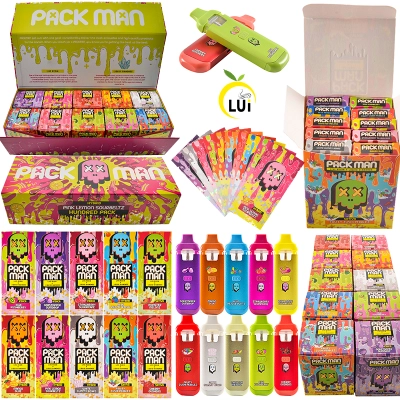
Damaged cartons trigger delays via returns, reshipments, and customer disputes. Retail-ready packaging should prioritize structure (corner protection, crush resistance) and fast scanning (clean barcodes, consistent label placement). If you work with multiple 3PLs, standardize pack-out to reduce human variance. Helpful references: GS1 barcodes and ISTA packaging test guidance.
Multi-warehouse routing to cut transit risk
One of the most reliable peak-season strategies is distributing inventory across regions, then shipping from the closest node. If a lane slows down, you still have options. This is where warehouse selection is more important than speed promises.
For example, sourcing from USA warehouse stock can reduce cross-border friction for domestic customers and keep transit times more predictable during BF/CM surges. The same logic applies when you maintain separate inventory pools for different regions or customer tiers.
Routing rules distributors can implement immediately
- Split by destination: ship East vs. West from different nodes to avoid coast-to-coast risk.
- Split by urgency: launch-critical orders get earlier pickups and simpler SKU mixes.
- Split by carton type: keep fragile retail boxes separate from bulk master cartons when possible.
Carrier contingency: alerts, reroutes, and documentation
Peak season is not the time to “check tracking once a day.” Build a lightweight monitoring loop: identify exceptions early, escalate quickly, and keep documents ready. Carrier advisories and disruption pages are useful to confirm if delays are lane-wide or shipment-specific—see FedEx Service Alerts, UPS Service Alerts, and DHL Global Service Alerts.
What to prepare before problems happen
- Clean documentation: commercial invoice, packing list, and consistent item naming across docs.
- Address hygiene: validate addresses and include suite/door codes for business locations.
- Exception SOP: define who decides reroutes, who contacts the carrier, and how you notify customers.
Quick FAQ
Should I create a new BFCM page every year?
For search visibility, many merchants perform better by reusing the same URL each year for a dedicated BF/CM page and updating it early, while keeping internal links strong from high-authority pages (like the homepage). (This is also aligned with Google’s deal-page best practices.)
What is the #1 cause of “avoidable” delays?
Late configuration changes—mixing variants, changing packaging, or adding label requirements after picking has started. Lock the pack-out spec early, then protect it.
How do I reduce damage-related delays?
Standardize packaging and carton protection, then verify pack-out consistency across batches. A small packaging upgrade often costs less than a single wave of returns and reships.
Ready to reduce BFCM delivery risk?
Start by locking your SKU list, reserving inventory in the right warehouse, and confirming a one-page pack-out SOP. Then route orders by destination and urgency to keep transit predictable.

0 Comments