
Ace Ultra Premium × Packman — Buyer’s Guide with COA & ISTA Notes (2025)
Who this is for: B2B buyers evaluating Ace Ultra Premium × Packman form factors for OEM/ODM programs, looking for concrete COA checkpoints and packaging test cues (ISTA 3A) to reduce returns and leakage claims.
Models & naming: shells vs disposables
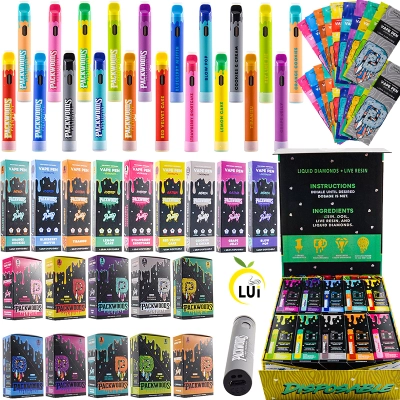
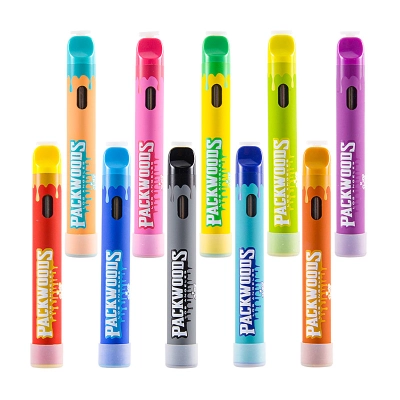
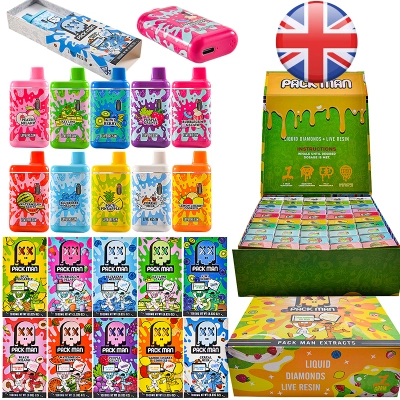
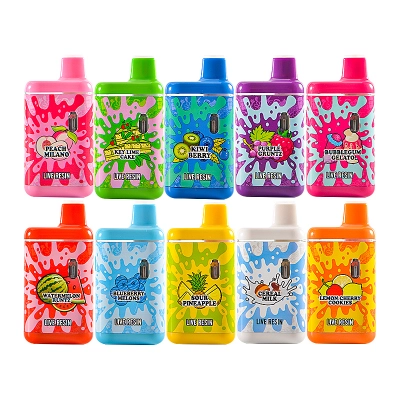
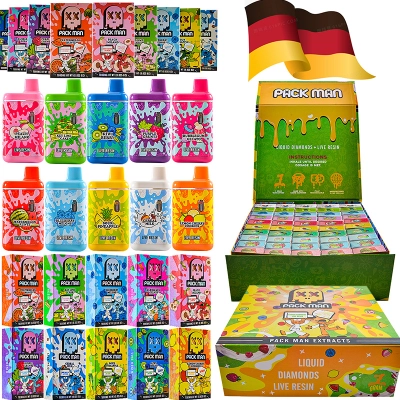
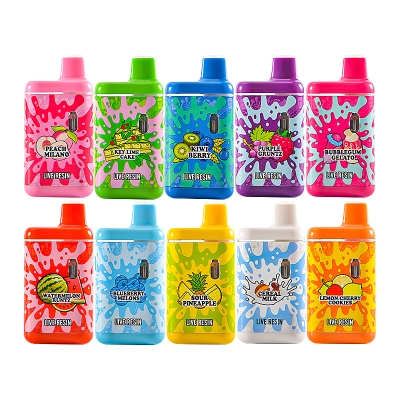
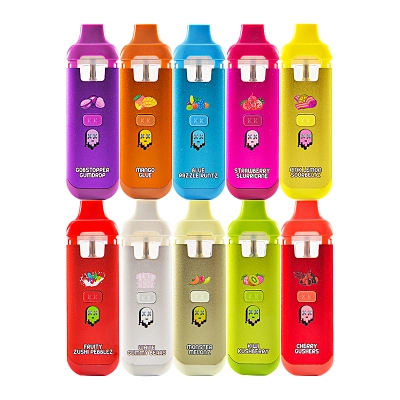
On LUECIGA, the “Packman” naming appears in two buyer-relevant places. If you are sourcing empty housings for your own fill line, start with Ace packman empty shell. If you need a ready-to-fill, all-in-one format, review Ace packman disposable AIO. Both align with the Ace Ultra aesthetic and are commonly paired with non-metal heating elements and USB-C rechargeable batteries.
For broader material and lifecycle context, some buyers also compare to the ace ultra premium family. If you benchmark cross-brand housings, you can sanity-check dimensions and gasket profiles against options like sluggers to understand clip forces and tolerance windows across vendors.
Core specs that move margins
Capacity & battery pairing
Common fill volumes are 1g/2g/3.5g. Make sure the nominal battery rating (e.g., 300–500 mAh for 1–2g; higher for 3.5g) is matched to coil resistance and airflow to avoid premature “empty battery/remaining oil” customer complaints.
Heating element
Most Ace Ultra × Packman builds use a non-metal ceramic heating element. Treat “ceramic” as a material description, not a safety claim. Verification comes from your COA: look for a heavy-metals section with at least Pb, Cd, Hg, As and ensure “ND” or below the method’s reporting limit based on a competent lab.
Airflow & gasket design
Dual-seal gaskets (top cap + chimney joint) and well-defined condensation traps reduce spit-back. Ask for an exploded diagram showing O-ring material (often silicone) and hardness (e.g., Shore A 50–60) plus tolerance bands for press-fits (±0.05–0.08 mm typical on small plastic snaps).
Charging and electronics
USB-C charging with short-circuit and over-discharge protection is now standard. If the SKU has a screen, confirm idle current and sleep timing so displays don’t drain warehouse inventory.
COA quick-read (ISO/IEC 17025)
COA (Certificate of Analysis) quality hinges on lab competence. Reputable COAs cite **ISO/IEC 17025** accreditation details and method references. Do a 60-second check:
- Chain of identity: lot/batch ID on unit + outer case = the COA’s batch ID; QR resolves to the exact PDF, not a generic page.
- Heavy metals panel: look for at least lead (Pb), cadmium (Cd), mercury (Hg), arsenic (As) with instrument method (e.g., ICP-MS). Units should be explicit (mg/kg or μg/g) with LOQ/LOR.
- Residual solvents: methods aligned to the **USP <467>** family are widely used; results should distinguish Class 1/2/3 solvents with limits/LOQs stated.
- Micro/bioburden: total aerobic count, yeast/mold, and absence of specified pathogens—method and sample prep should be documented.
- Potency/cannabinoid profile (if applicable to your market): confirm the target range and variance policy for label claims.
Tip: If any section shows “Not Detected,” make sure the COA also displays the method’s reporting limit. “ND” is only meaningful when the limit is visible.
ISTA 3A notes for parcel shipments
To cut transit-damage returns, ask your supplier which **ISTA 3A** sequence they use for single-parcel shipments. A typical 3A run includes random vibration, compression, and a set of free-fall drops on corners/edges/faces at heights appropriate to the package weight class. What you need on file:
- Test lab (name, location) and report ID/date.
- Packaging system photos and BOM (outer carton, inner tray, blister/foam, tape spec).
- Pass/fail criteria agreed for leaks, cracked housings, or UI damage (screens).
- Post-test inspection counts: % units with visible oiling, mouthpiece looseness, or port deformation.
For exports, also verify outer-carton labeling and any lithium-battery handling marks required by the carrier class you ship under.
US/EU/UK labeling pointers (hardware)
Keep statements to verifiable facts: component materials, net fill, intended use, age restrictions, and recycling marks where applicable. For multi-region shipments, prepare language variants and space for local marks (e.g., UKCA/CE where relevant to electronics). Avoid health claims; instead, direct buyers to COAs and method notes.
Five-minute intake checklist
- Model selection: Choose Ace packman (shell) vs Ace packman disposable (AIO) based on whether you fill in-house.
- Spec lock-in: capacity, coil type, resistance, airflow path, USB-C parameters, and battery rating linked to your oil’s viscosity.
- COA bundle: ISO/IEC 17025 lab, heavy-metals panel (Pb/Cd/Hg/As), residual solvents (USP <467> style), micro, potency where applicable.
- ISTA pack file: 3A report with photos, pass/fail, and corrective actions if any failures occurred.
- Label kit: SKUs for US/EU/UK variants; QR resolving to batch-specific COA.
- Comparable references: cross-check size/fit versus ace ultra premium and tolerance feel against sluggers to understand clip forces and gasket compression.
Buyer FAQ
Can I claim “safer ceramic” in marketing?
No. Describe materials factually (e.g., “non-metal heating element”) and point customers to your COA results from an ISO/IEC 17025-accredited lab.
What’s the fastest signal that packaging is robust?
A valid ISTA 3A report tied to your exact master-case/inner-tray design and weight, plus post-test leak counts below your internal threshold.
Do I need separate labels for US and EU?
Yes—treat them as separate SKUs. Language and warning conventions differ; reserve label real estate for region-specific statements.

0 Comments