
Ace Ultra 2g Empty: How Premium Housing Justifies Premium Pricing
This article covers empty hardware only. Ace Ultra 2g units discussed here are unfilled shells supplied for legal, compliant filling by licensed operators in their own markets.
Table of Contents
- Why premium housing matters for Ace Ultra 2g empty hardware
- Inside the Ace Ultra 2g empty shell: core architecture
- What makes Ace-style premium housing different?
- How premium housing supports premium pricing in B2B deals
- QC, safety references and documentation to ask for
- Ace Ultra 2g vs ace packman style collaborations
- Choosing the right configuration for your brand
- FAQ: Ace Ultra 2g empty premium housing
Why premium housing matters for Ace Ultra 2g empty hardware
In the 2-gram segment, Ace Ultra has become shorthand for “high-touch hardware” in many B2B buying conversations. The silhouette, color blocking and finish are part of that story—but the real value sits in the housing and internal structure that keep a filled device stable through shipping, storage and end-user handling.
For hardware buyers, the question is not simply “Why is this empty shell more expensive?” but rather:
- How much does a stronger housing actually reduce leak and breakage risk?
- What is the impact of better fit and finish on perceived value and repeat purchases?
- Can premium housings and cells reduce support tickets like “light on, no vapor” or cracked shells?
- How do better materials align with mainstream references for battery safety and packaging, such as UL 8139, UN38.3 and ISTA 3A inspired tests?
When you frame the decision this way, the higher unit cost of premium Ace Ultra 2g empty hardware starts to look more like an insurance policy for your brand than a simple line item.
Inside the Ace Ultra 2g empty shell: core architecture
While different factories and private labels customize details, most Ace Ultra 2g style empty shells share a similar high-level structure:
- Outer housing – multi-part shell with premium-feel coating, window cut-outs and tight snap-fit geometry.
- 2 ml class reservoir – engineered for thick, high-value oils with sufficient wall thickness and sealing surfaces.
- Ceramic heater – typically a 1.0–1.4 Ω ceramic core with optimized intake ports and wick geometry.
- Air path – a controlled path from air inlets through the heater to the mouthpiece, tuned for smooth draw and minimal condensation issues.
- Battery and PCB – a rechargeable Li-ion cell and control board with short-circuit, over-charge and over-discharge protections.
- Mouthpiece and seals – structure that locks in and protects the reservoir after filling and capping.
The “premium housing” concept covers more than just the outer plastic. It includes the precision of the fit between parts, the quality of seals around the reservoir and mouthpiece, and how well the shell protects the internal battery and PCB from physical shocks over time.
What makes Ace-style premium housing different?
Premium Ace Ultra 2g housings are designed to be more than just aesthetic upgrades. They aim to solve very specific, very expensive problems that B2B buyers see every day: broken shells on arrival, micro-leaks during shipping, batch-to-batch inconsistency and inconsistent draw feel.
| Design aspect | Standard 2g shell | Premium Ace Ultra 2g empty shell |
|---|---|---|
| Shell material | Basic ABS or mixed plastics with standard surface finish. | Higher-grade plastics or alloys, more resilient to cracking, with smoother coatings that hold graphics and touchpoints better. |
| Fit & tolerances | Acceptable fit but more variation between batches; visible seams or wobble under stress. | Tighter machining and molding tolerances for more consistent assembly and less mechanical stress on the reservoir and seals. |
| Sealing strategy | Basic seals that perform at moderate temperatures and during short transits. | Upgraded gaskets and locking designs that better resist micro-leaks through temperature swings or longer shipping routes. |
| Battery protection | Standard protection features, limited drop resistance. | Housing and internal cradle designed to shield the cell, referencing good practices from standards like UL 8139 for e-vapor devices. |
| Perceived value | Functional but generic look and feel. | “Flagship device” look that supports premium positioning and collab drops. |
Note: Premium housing does not automatically make a device compliant with every regional standard, but it reflects a design philosophy that takes mechanical protection and battery integrity more seriously than bare-minimum builds.
How premium housing supports premium pricing in B2B deals
A common pushback from purchasing teams is that “customers do not see the inside, only the logo and colorway.” In reality, after a few months in market, it is the hidden structure that shows up in your support metrics and reorder patterns.
When you step back and look at total cost of ownership for a hardware program, premium Ace Ultra 2g empty shells can justify higher unit pricing in several ways:
- Lower hardware-related complaint rate – fewer DOA units, fewer cracked housings, fewer “no vapor” tickets tied to mechanical or electrical issues.
- Better survival through logistics – more robust shells and packaging reduce losses during parcel and pallet shipping, especially when supported by test flows referencing ISTA 3A for packaged products.
- Stronger brand perception – premium-feel housings support higher MSRP and limited-edition or collaboration pricing strategies.
- Greater flexibility for future SKUs – a stronger housing platform can support new animations, indicator windows or collab designs without constant redesign.
In short, the extra cents per shell are there to reduce hidden costs and unlock visible price ladders, not just to pay for nicer paint.
QC, safety references and documentation to ask for
Premium pricing only makes sense if it is backed by documented process and traceability. Whether you are sourcing Ace Ultra 2g style hardware directly or through a distributor, you should expect:
- Resistance and airflow data – sample reports showing coil resistance windows and airflow consistency across batches.
- Battery and PCB testing – evidence of short-circuit, over-charge and over-discharge testing, with shipping documentation that references international guidance such as UN38.3 lithium battery tests.
- Mechanical and packaging testing – drop, vibration and compression tests on finished packaged devices, ideally benchmarked against procedures like ISTA 3A.
- Clear empty-hardware framing – documentation and labeling that make it clear shells are shipped empty, so they can be handled as hardware components rather than finished, filled consumer products.
By tying premium pricing to specific test results and references, you convert “we are more expensive” into “we are measurably lower risk and more repeatable,” which is a much stronger position when justifying budgets to stakeholders.
Ace Ultra 2g vs ace packman style collaborations
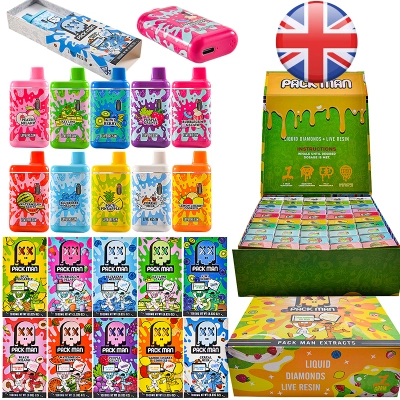
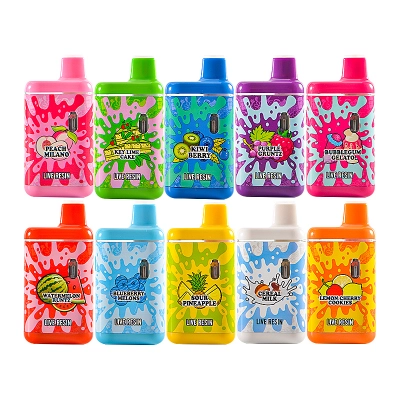
In many markets, Ace Ultra 2g hardware coexists with collaboration-style devices such as ace packman formats. These collab silhouettes combine Ace-style housings and 2g capacity with branded design language that targets specific fan bases.
For B2B buyers, the logic is similar: if you are looking at an ace x packman disposable style device, you are not just paying for branding on the shell. You are paying for premium housing that can carry that branding into the real world—through transit, shelving and repeated handling—without cracking or leaking.
In that sense, Ace Ultra 2g empty shells act as a “platform” on which collab devices like ace packman 2g disposable can be built. When the base housing is robust, it becomes much safer to launch special editions, seasonal drops and limited runs that will be handled by collectors and frequent users.
Even if your immediate project is not a collab device, it can be useful to think in the same way as the teams behind ace packman 2g projects: start from a strong, repeatable housing and then layer branding and campaign storytelling on top.
Choosing the right configuration for your brand
Not every brand needs the most elaborate configuration on day one. What you do need is a clear mapping between configuration and use case. For Ace Ultra 2g empty hardware, a typical decision tree for B2B buyers looks like this:
- Local, short-haul distribution, mid-viscosity oils – a well-specified Ace-style housing with standard window and indicator options may be sufficient, as long as QC is tight.
- Multi-state or export distribution – premium housing with upgraded seals and stronger trays/cartons helps protect filled devices across longer chains.
- High-value, thick oils – tighter tolerances and better ceramic intake design protect costly formulations from leak or clog risk.
- Flagship and collaboration SKUs – premium housings that match ace packman 2g style expectations support higher MSRP and limited-edition pricing.
Instead of asking “How can I push the unit cost down another few cents?”, a better question is “Which housing level best protects my margin and my brand over the next 12–24 months of shipments?”
FAQ: Ace Ultra 2g empty premium housing
Are Ace Ultra 2g devices supplied as finished, filled products?
No. In this context, Ace Ultra 2g refers to empty hardware shells only. Units leave the factory without oil, nicotine, THC or any other filling. Licensed operators are responsible for filling, testing and compliance in their own markets.
Does premium housing change how the device is filled or stored?
Premium housing does not replace good filling and storage practices, but it adds a safety margin. Stronger shells and seals tend to be more tolerant of minor handling errors and environmental swings. Always follow your filling partner’s guidance on temperature, capping and curing.
Is premium Ace Ultra 2g hardware “overkill” for entry-level brands?
It depends on your ambitions and distribution model. For very small, local runs with low logistics complexity, a simpler configuration might be appropriate. But if you want to grow into larger volumes, cross-border shipments or collaboration projects similar to ace packman 2g, investing in premium housing from the start can prevent a painful hardware switch later.
What should I request from a supplier to justify premium pricing?
Ask for sample test reports covering coil resistance, airflow, basic mechanical testing, and battery transport documentation referencing UN38.3 guidance. Request photos or videos of packaging tests, and clarify acceptable defect rates and remedies in your purchasing agreement.
How can Lueciga support my Ace Ultra 2g empty hardware strategy?
By approaching Ace Ultra 2g empty hardware as an engineered platform rather than a generic shell, Lueciga can help you align premium housing, internal structure and packaging with your oil portfolio, logistics reality and brand roadmap—so premium pricing becomes logical and defensible, not arbitrary.


0 Comments